
You know that soft, downy fuzz that catches the light in every selfie and stops your foundation sitting quite right? Dermaplaning is the facial treatment that whisks it away, along with a layer of dull, dead skin, leaving you noticeably smoother and brighter in under an hour. We know the words “surgical-grade blade near my face” don’t exactly scream relaxing (we felt the same). But in trained hands it’s gentle, precise, and over before you’ve finished your daydream. Here’s everything you need to know before you book.
What is dermaplaning, and how does it work?
Dermaplaning is a manual exfoliation treatment that uses a sterile, surgical-grade blade to lift away dead skin cells and the fine vellus hair better known as peach fuzz. Unlike shaving, your practitioner holds the blade at a precise 45-degree angle and works in short strokes. It’s careful surface exfoliation rather than a quick once-over. Dermaplaning started life as a clinical dermatology treatment, and it’s now a spa favourite thanks to those instant, glowy results.
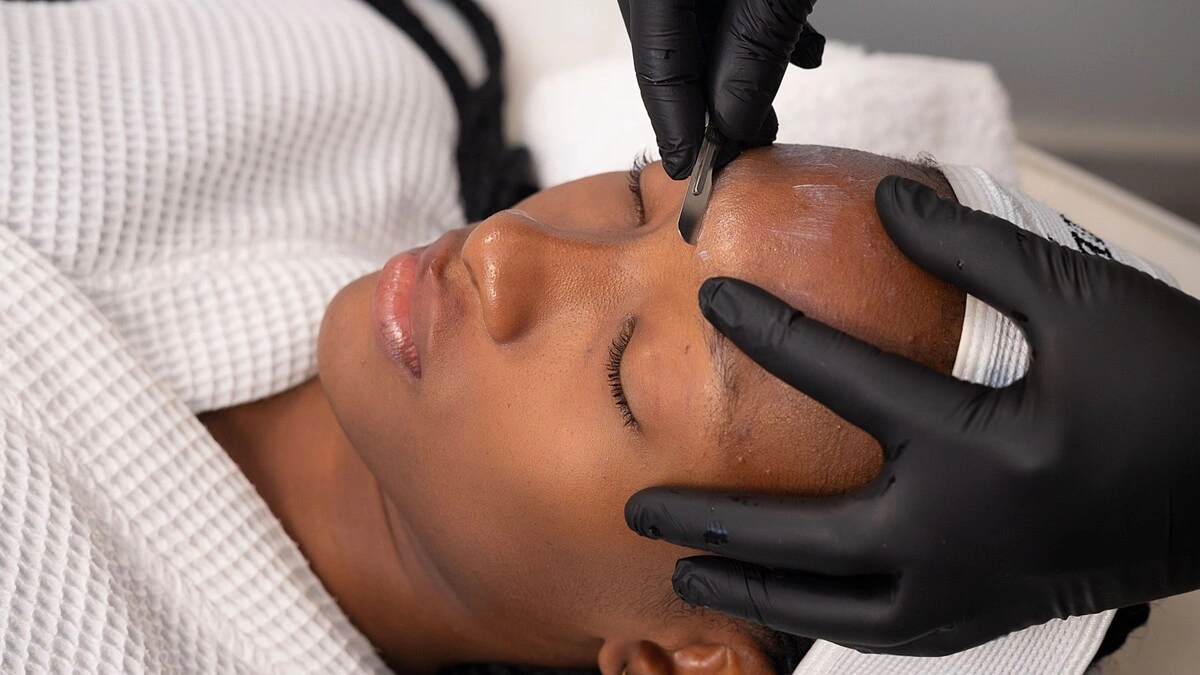
So what actually happens in the chair? Your practitioner starts by cleansing and drying your skin. Then comes the main event: light tension on the skin, the blade held at that 45-degree angle, and feathering strokes that follow the way your hair grows. The whole thing takes around 30 to 45 minutes. To finish, they’ll press in a soothing serum or two, which your freshly exfoliated skin drinks right up.
Professional vs at-home dermaplaning: what’s the difference?
In short, a professional treatment goes deeper and lasts longer, while at-home tools are really just for light upkeep in between. A trained practitioner uses a precise, surgical-grade blade and knows exactly how much pressure your skin can take, which means proper exfoliation with barely any risk of nicks. At-home devices come with safety guards and duller edges, so the trade-off for that lower risk is gentler, shorter-lived results.

Could you do it yourself at home? You can, but here’s the catch: most people either press too hard or skim too lightly, and none of us can read our own face the way a trained pair of hands can. A professional notes where your skin is thinner, where it’s more reactive, and exactly how much to lift away. At-home tools are a handy way to stretch out your glow between appointments, not they’re not a replacement for the real thing.
The benefits of dermaplaning for your skin
The headline benefit is instant smoothness. Dermaplaning sweeps away peach fuzz and dead skin in one go, so your skin looks brighter straight away and your make-up glides on without catching on texture or stray hairs. It also helps your serums and moisturisers sink in more deeply, so the products you’ve invested in finally get to do their best work.

There’s another reason it’s so popular, especially with pregnant and breastfeeding women: it skips the chemicals found in a lot of other exfoliants. For many, it’s one of the few results-driven exfoliation treatments they feel comfortable having while expecting.
Dermaplaning for sensitive skin
If your skin tends to flare at the first sign of a harsh scrub, dermaplaning could be a gentler alternative. Because it exfoliates without acids or grainy textures, it sidesteps a lot of the redness and stinging that can plague sensitive skin. It’s often a good option when chemical peels are off the table.

The long-term benefits of regular treatments
Stick with it, and the benefits build. Regular dermaplaning gradually refines your skin’s texture and may give a subtle nudge to collagen production through your skin’s own healing response. Skin therapists tend to find that clients who keep to a routine hold onto that smoothness and watch fine lines soften over time. One session won’t undo years of sun damage, though. If you want to go beyond the glow and see lasting change, then consistency is key.
Is dermaplaning safe?
Yes, for most skin types dermaplaning is very safe when a trained professional performs it with sterile tools. You might notice mild redness, sensitivity or a slightly tight feeling afterwards, and most people look a little flushed for an hour or so before settling back to normal. Nicks and cuts are rare in capable hands, and you can usually get straight on with your day. The one step you really won’t want to skip? Sunscreen, because your fresh skin is more sensitive to the sun.
Side effects, and how to keep them to a minimum
Side effects are usually mild and short-lived. You might see a little redness or the odd micro-graze for up to 24 hours. Allergic reactions are rare, but they can happen in response to aftercare products, so if you’ve got known sensitivities, bring your own trusted moisturiser along. Beyond that, keep your skin clean and hydrated and skip anything sweaty for the rest of the day to keep irritation at bay.
Who should perform dermaplaning?
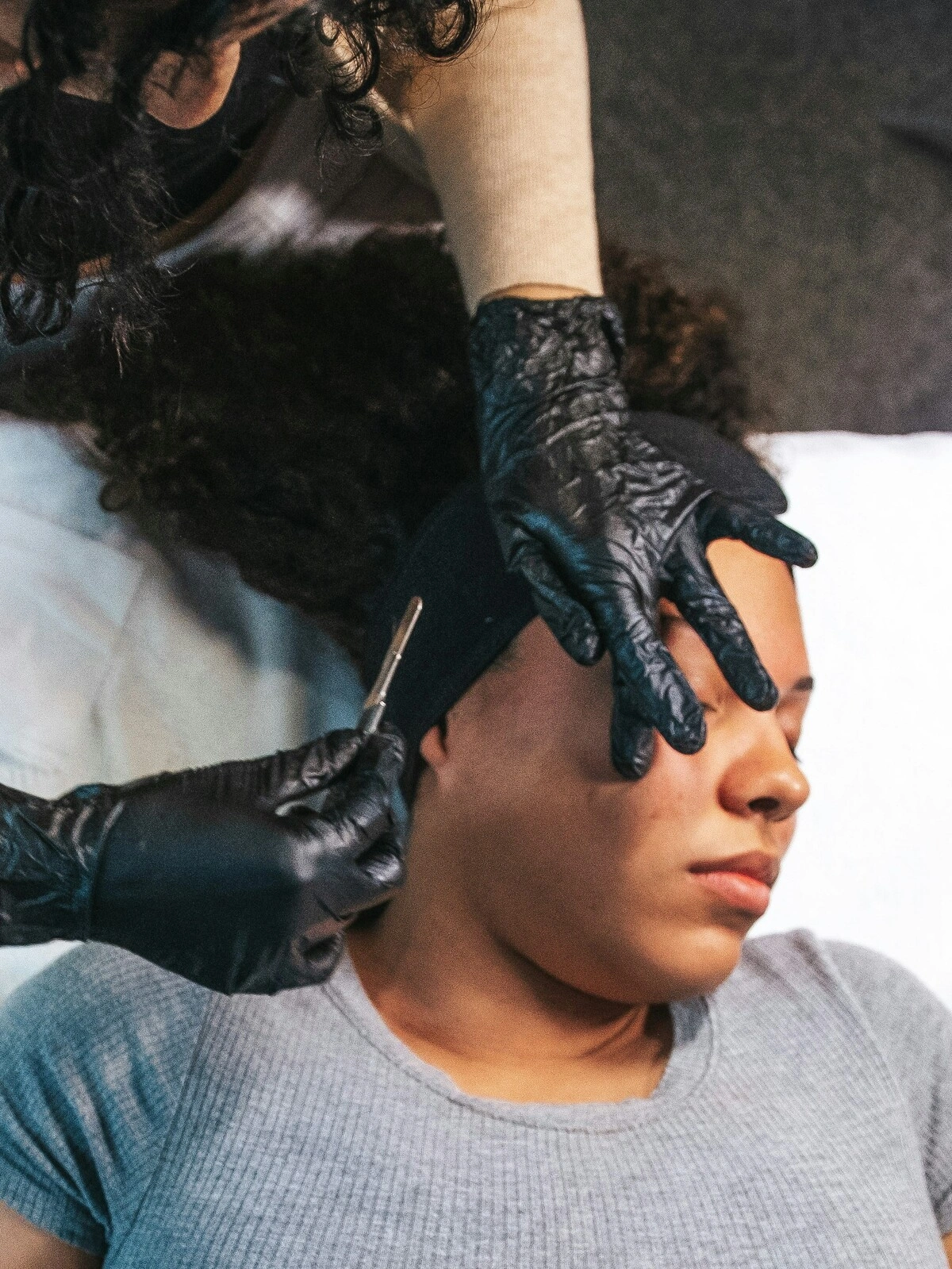
Only a trained, licensed professional, an aesthetician or a dermatologist, should ever take a blade to your face. They’re trained to dermaplane safely and follow strict sterilisation routines. Look for visible certifications and a spotlessly clean treatment room. And if something feels off, the space looks dodgy, or your practitioner can’t answer a straight question about their training, trust your gut and walk out.
Who should avoid dermaplaning?
Dermaplaning isn’t for everyone. Skip it if you’ve got active acne, open lesions, sunburn, or a flare-up of eczema, psoriasis or rosacea, because the blade can aggravate these conditions and even spread bacteria. If you’ve recently finished a course of isotretinoin, wait at least six months to give your skin time to rebuild its strength. And if you have uncontrolled diabetes, a bleeding disorder, or a history of keloid scarring, check with a dermatologist first, since these can complicate even minor skin treatments.
Skin conditions that need a professional assessment
Some conditions sit in a grey area, and that’s exactly where expert eyes matter. Mild rosacea or post-inflammatory hyperpigmentation might actually benefit from dermaplaning, but only with a professional keeping a close watch. It’s not something to self-diagnose. Moles, freckles, skin tags and actinic keratosis all need assessing too, so a skilled practitioner can carefully work around them. And if your skin tends to change between visits, an ongoing check-in keeps everything safe and suitable.
Does dermaplaning help with acne scars?
Over time dermaplaning softens superficial acne scars and post-inflammatory hyperpigmentation by speeding up cell turnover and helping your treatment products absorb more effectively. It can help with milder scars, but deeper ones are a different story. They usually need something more intensive like laser therapy or microneedling. Dermatologists tend to find that consistent sessions improve mild scarring when paired with a smart skincare routine, but it’s no miracle fix. Think of it as one useful tool in a bigger plan rather than a solution on its own.
Types of acne scars, and what dermaplaning can do
Surface-level scars, like rolling scars and post-inflammatory hyperpigmentation, respond best. This is because they sit closer to the skin’s outer layer. Deep ice-pick scars are tougher, and they usually call for microneedling, lasers or peels, as dermaplaning alone won’t reach them.

Combining dermaplaning with other treatments
Dermaplaning often works best as a team player. Practitioners frequently pair it with chemical peels, microneedling or LED therapy for better overall results. Why? Because clearing away dead skin first helps everything that follows sink in more deeply. Just make sure your skin has fully healed between treatments to minimise irritation. Your practitioner will map out the right combination and timing for you.
How often should you get dermaplaning?
Every four to six weeks is the sweet spot for most people, which lines up neatly with your skin’s natural turnover cycle. That spacing gives your skin time to fully regenerate between sessions. Go too often and you risk extra sensitivity or breakouts from a compromised skin barrier. At-home devices are milder and can be used every week or two, but the same rule applies: don’t overdo it.
Adjusting frequency for your skin type
Your ideal spacing really depends on your skin. Oily skin can sometimes handle slightly shorter gaps, while dry or sensitive skin tends to want a longer break. Mature skin may need a little extra recovery time too, since cell turnover naturally slows as we age. A lot of practitioners suggest starting with two to four sessions, spaced three to four weeks apart, then easing into a monthly maintenance routine. Costs vary quite a bit by location and expertise, with most sessions landing somewhere between €46 and €99.
Dermaplaning aftercare: what to do (and what to avoid)
Aftercare comes down to two things: sun protection and gentle skincare. Reach for a broad-spectrum SPF 30 or higher every day for at least a week. Your freshly exposed skin is more vulnerable to UV damage, and skipping sun cream can lead to patchy pigmentation. Give strong actives like retinoids, AHAs and BHAs a rest for three to five days, since your skin has just had a proper exfoliation. And keep your make-up brushes and pillowcases clean to ward off any infection.
The first 24 hours
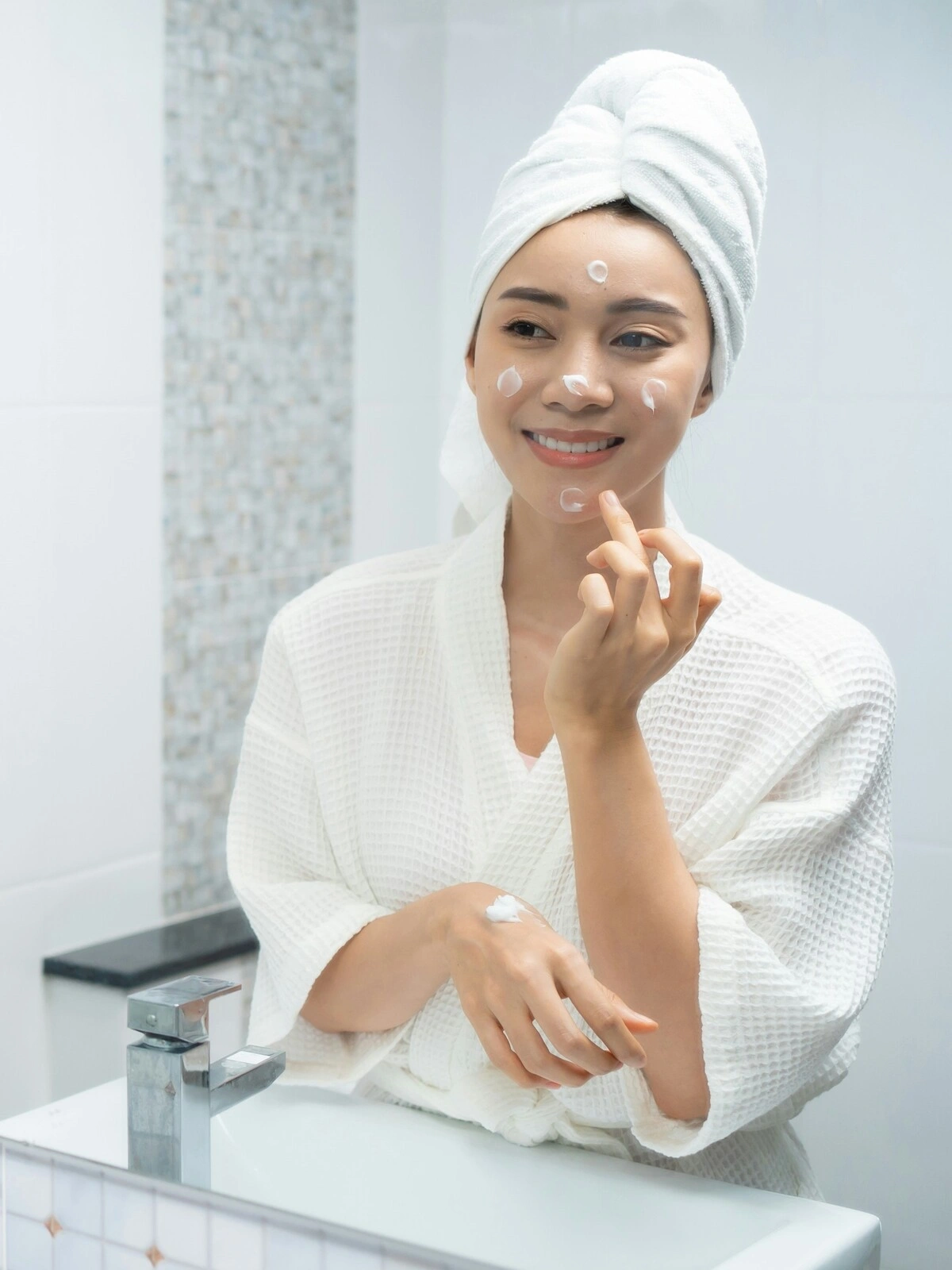
The first day is all about keeping things calm. Cleanse with a mild wash and reach for hydrating serums with ingredients like hyaluronic acid or ceramides. Stay out of direct sun and skip heavy make-up so your skin can settle. Sleep on a fresh pillowcase to keep bacteria away, and save any new retinol or vitamin C serums for another week.
Your week-long aftercare routine
Over the following week, ease back to normal slowly. Reintroduce your actives gradually if there’s no redness or dryness, starting with lower strengths. Stick to fragrance-free moisturisers to lock in hydration and support your skin barrier. And if any irritation hangs around for more than a few days, check in with your practitioner rather than trying to fix it yourself.
Dermaplaning myths, debunked
A few dermaplaning myths just won’t quit, so let’s clear them up. First, the big one: dermaplaning does not make your hair grow back thicker or darker. This myth sticks around because regrowth can feel a little blunt at first, but the hair itself stays exactly the same in texture and colour. Study after study backs this up, with no change in growth pattern, density or pigment.
Dermaplaning won’t give you wrinkles, either. If anything, by encouraging cell turnover and collagen production, it can improve your skin’s texture over time. But it’s not a cure-all: what works depends on your skin and your goals, and it can’t replace targeted treatments for things like deep scarring or melasma.

Does dermaplaning make hair grow back thicker?
No, and here’s the science. Dermaplaning only removes the visible part of the vellus hair above your skin, leaving the follicle and root completely untouched. So the hair grows back just as fine, light and soft as it was before. Any change in how it feels is temporary, due to the blunt edge left by cutting, not any real change to the follicle itself.
While we’re here: dermaplaning isn’t the same as shaving (the technique, the angle and the goal are all different), and one session won’t keep you smooth forever. Most people come back every four to six weeks to top up their results. Still sceptical? A patch test on a small area lets you see the real effect before committing to your whole face.
Dermaplaning vs chemical peels: which is right for you?
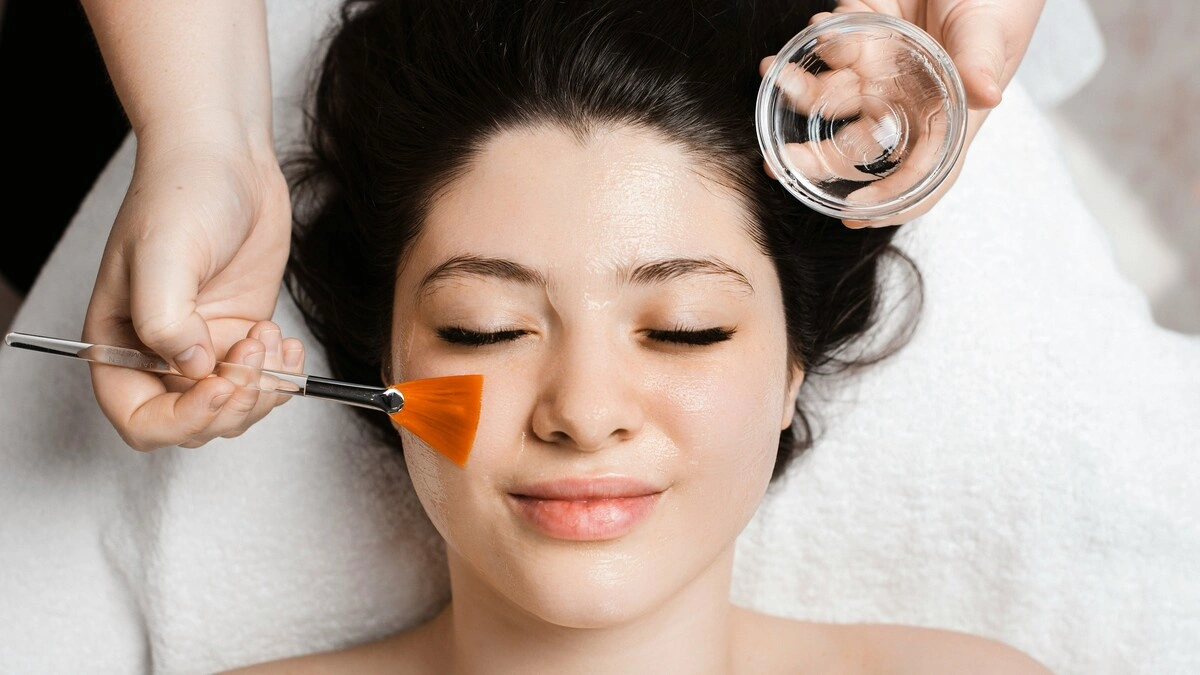
Both treatments exfoliate, but they go about it in completely different ways. Dermaplaning is physical exfoliation with instant results and barely any downtime. Chemical peels use acids to dissolve dead skin and tackle deeper concerns, but they usually need a longer recovery and can leave your skin flaking or peeling for a few days.
When to choose dermaplaning
Dermaplaning wins when you want smooth, glowy skin right now. Those with sensitive skin, or who are pregnant or breastfeeding, often prefer it because it’s chemical-free and won’t introduce anything reactive. And if you’re after instant smoothness and flawless make-up, there’s no waiting around for redness, flaking or peeling to settle.
When a chemical peel might be the better call
Reach for a peel when your concerns run deeper. Stubborn pigmentation, melasma or significant scarring tend to respond better to chemical peels or laser treatments, because these reach beyond the surface layer. Dermaplaning works at the very top of the skin, so it can’t tackle deeper issues. That said, it’s sometimes used just before a peel to clear away dead skin and help the peel work harder.
Expert tips for the best dermaplaning results
Want to get the most out of every session? A steady routine before and after makes a real difference. Snap before-and-after photos in the same lighting to track your progress, because the texture change really adds up over a few sessions. Pairing dermaplaning with a hydrating facial or LED treatment can boost results even more, as long as you time the treatments right.
Your pre-treatment checklist
A little prep goes a long way. In the week or so before your appointment:
- Pause retinoids, physical scrubs and chemical peels for five to seven days so your skin can settle
- Avoid tanning, whether that’s sunbeds or sunshine
- Turn up with clean, make-up-free skin
- Drink plenty of water in the run-up, since hydrated skin takes to the treatment better
How to make your results last
A few simple habits keep your glow going. Lean on the serums your practitioner recommends, since your skin absorbs them so well right after treatment. Keep up the hydration with a good moisturiser, and once your skin has fully recovered, a little gentle chemical exfoliation between sessions helps stop dead skin building back up. Book in every four to six weeks for the best results, and resist the urge to go overboard with at-home tools in between.
Professional vs at-home dermaplaning at a glance
| Professional dermaplaning | At-home dermaplaning tools |
|---|---|
| Performed by licensed providers | Used by individuals at home |
| Surgical-grade sterile scalpel | Safety-guarded, less sharp |
| More precise, with better risk control | Lower precision, user-dependent |
| Immediate, dramatic results | Subtler and shorter-lived |
| Includes professional aftercare | DIY aftercare |
| Higher cost per session | More economical over time |
| Suitable for all skin types | Best for normal, non-reactive skin |
| Lower infection and nick risk | Slightly higher risk |
Now you know the what, the why, and the how of dermaplaning, and whether it’s the right next step for your skin. The payoff is real: smoother, brighter skin and make-up that finally sits the way it should, all from a treatment that’s over in under an hour. Browse skin clinics and salons near you on Treatwell, read real reviews, compare prices, and book for whenever suits, today, this evening, or the weekend.
FAQs
Does dermaplaning make hair grow back thicker or darker?
No. It only leaves a blunt tip, so regrowth can feel slightly coarser at first, but the hair itself doesn’t change.
How often should I get dermaplaning treatments?
Every four to six weeks for professional treatments. At-home tools can be used every week or two, but don’t overdo it.
Can dermaplaning help reduce the appearance of acne scars?
It can soften minor scars and post-inflammatory hyperpigmentation, but deeper scars need more advanced treatments like microneedling or lasers.
What should I avoid doing after a dermaplaning session?
Skip sun exposure, harsh actives, heavy make-up, and intense sweating for 24 to 48 hours. SPF 30 or higher is the one step you really can’t skip.
Who should not get dermaplaning?
Anyone with active acne, open wounds, eczema, psoriasis or a rosacea flare-up. Also wait at least six months after finishing isotretinoin.
Is at-home dermaplaning as effective as professional treatment?
Not really. At-home tools are fine for upkeep between appointments, but they don’t deliver the same glowing results.