
Dreaming of silky smooth skin without the endless shaving, waxing and “I forgot to do my legs” beach-day panic? IPL (Intense Pulsed Light) could be the answer you've been looking for.
IPL hair removal is less intense than laser hair removal, it's widely available in clinics and properly effective when done right. This guide covers how it works, who it suits best, what to expect and how it compares to other methods.
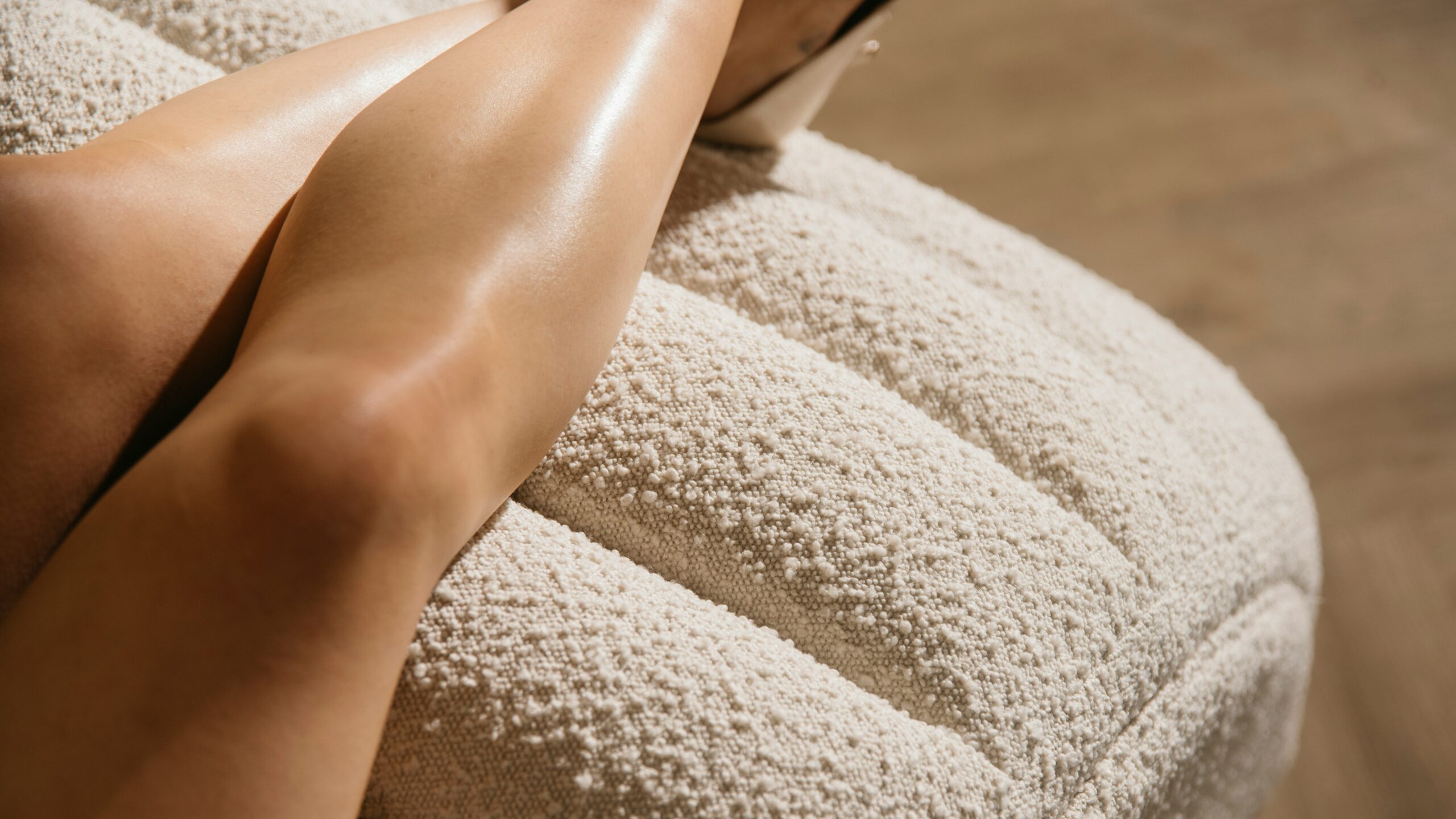
What is IPL hair removal and how does it work?
IPL uses pulses of light to target the melanin (that's the pigment) in your hair follicles. The light converts to heat which damages the follicle enough to slow down and eventually seriously impair regrowth. Unlike a laser, which emits a single focused wavelength, IPL sends out a broad spectrum of light. That means it can cover larger areas faster, although a touch less precisely than laser.
Before your treatment begins, your practitioner will shave the area so the energy reaches the follicles efficiently. In some cases, they'll advise you to shave at home 12-24 hours ahead of your appointment – stick to the timeframe they give you. Skin also needs to be clean, dry and free of any creams, lotions or oils. Simple!
The science behind light-based hair removal
Here comes the sciencey bit (stay with us, it's actually quite satisfying). The process by which melatonin converts light to heat and disrupts the follicles is called selective photothermolysis.
IPL works best when hair is in the anagen phase, which is its active growth phase, as this is when melanin concentration is highest. Not every hair is in this phase at the same time. That's why you need multiple sessions spaced out, so each one can catch different follicles at the right stage of growth.
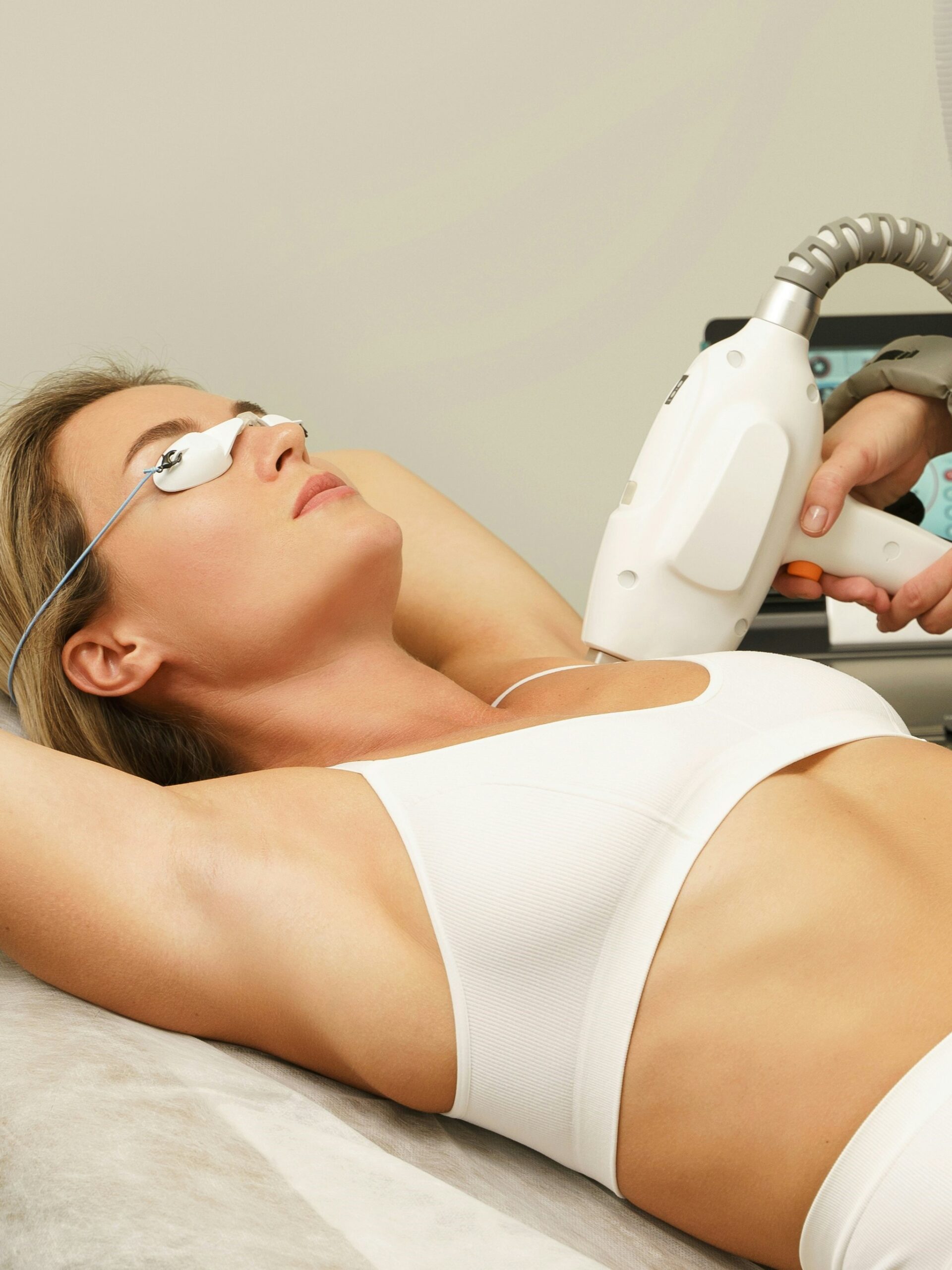
IPL device components and technology
Salon IPL devices are properly serious pieces of kit. They use xenon flash lamps that emit filtered light, typically between 500 and 1200 nanometres. Optical filters block shorter wavelengths that could increase the risk of burns, and tune the output to wavelengths that are both effective and safe. Most machines include built-in cooling systems to keep your skin comfortable.
The professional machines in salons pack significantly more energy than anything you'd find at home. That's a big part of why the results are faster and longer-lasting.
Is IPL hair removal truly permanent?
Here's the honest truth: IPL is officially classified as “permanent hair reduction” rather than permanent removal. After a full series of sessions, most people see long-lasting reduction. We're talking months to years of dramatically less hair, with any regrowth finer and softer. You'll barely use your razor.
New growth can still pop up thanks to hormones, ageing or previously dormant follicles waking up. But most people keep things in check with occasional maintenance rather than weekly shaving or monthly waxing.
What clinical studies show about IPL permanence
Studies back this up: the hair reduction lasts for many months after a full series, and often years with occasional top-ups. Areas like legs and underarms tend to hold their results beautifully. Hormone-sensitive zones like the face and chin are a different story, as fluctuating hormones can reactivate follicles.
With IPL, consistency is key. Skipping sessions or spacing them too far apart will undermine your results. We're telling you now so you don't learn the hard way.
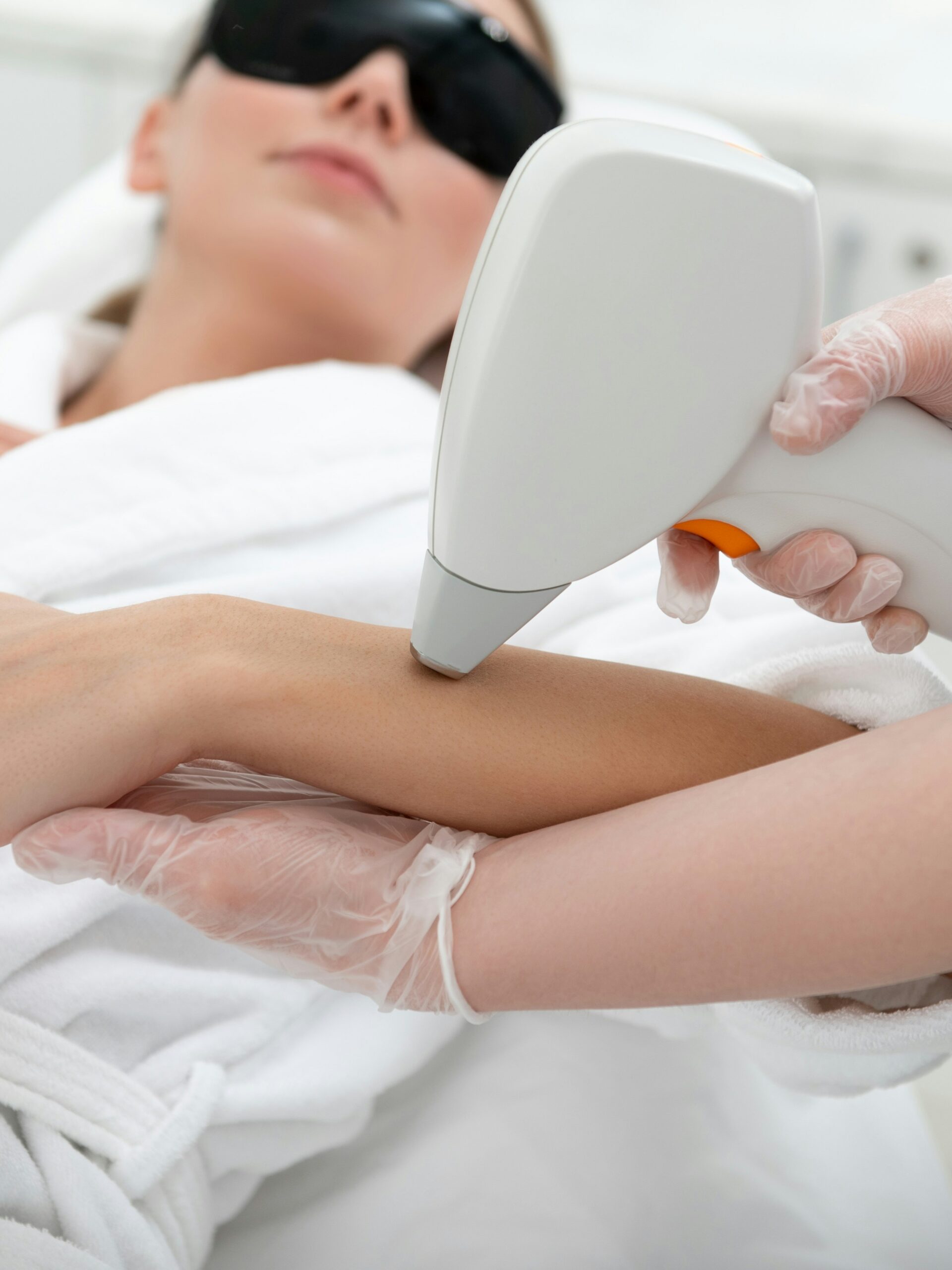
Why some hair returns after treatment
Dormant follicles that weren't caught during your initial series can activate months or years later. Hormonal changes from contraceptives, pregnancy, menopause or conditions like PCOS can reactivate follicles you thought were done.
Ageing also shifts hair growth patterns, sometimes in places you didn't expect. None of this means IPL “didn't work”. It just means the body is human and evolving.
How many IPL sessions do you need for results?
Most people need a series of sessions spaced 2 to 4 weeks apart. Hair grows in cycles, and only a portion is in its active anagen phase at any given time. One session simply can't catch everything.
Visible results usually show up after the third or fourth session, with things continuing to improve all the way through sessions six to eight. Hormonal areas like the face often need a few extra sessions. That's just how it goes.
Book your IPL course on Treatwell
Understanding hair growth cycles and treatment timing
Hair grows in three phases: anagen (active growth), catagen (transition), and telogen (resting). The fourth phase, exogen, is when the hair sheds. IPL only gets traction on anagen-phase hairs, because that's when the follicle is packed with melanin.
Spacing your sessions 2 to 4 weeks apart gives new hairs time to move into anagen between visits, so each session catches fresh growth. In short: timing matters.
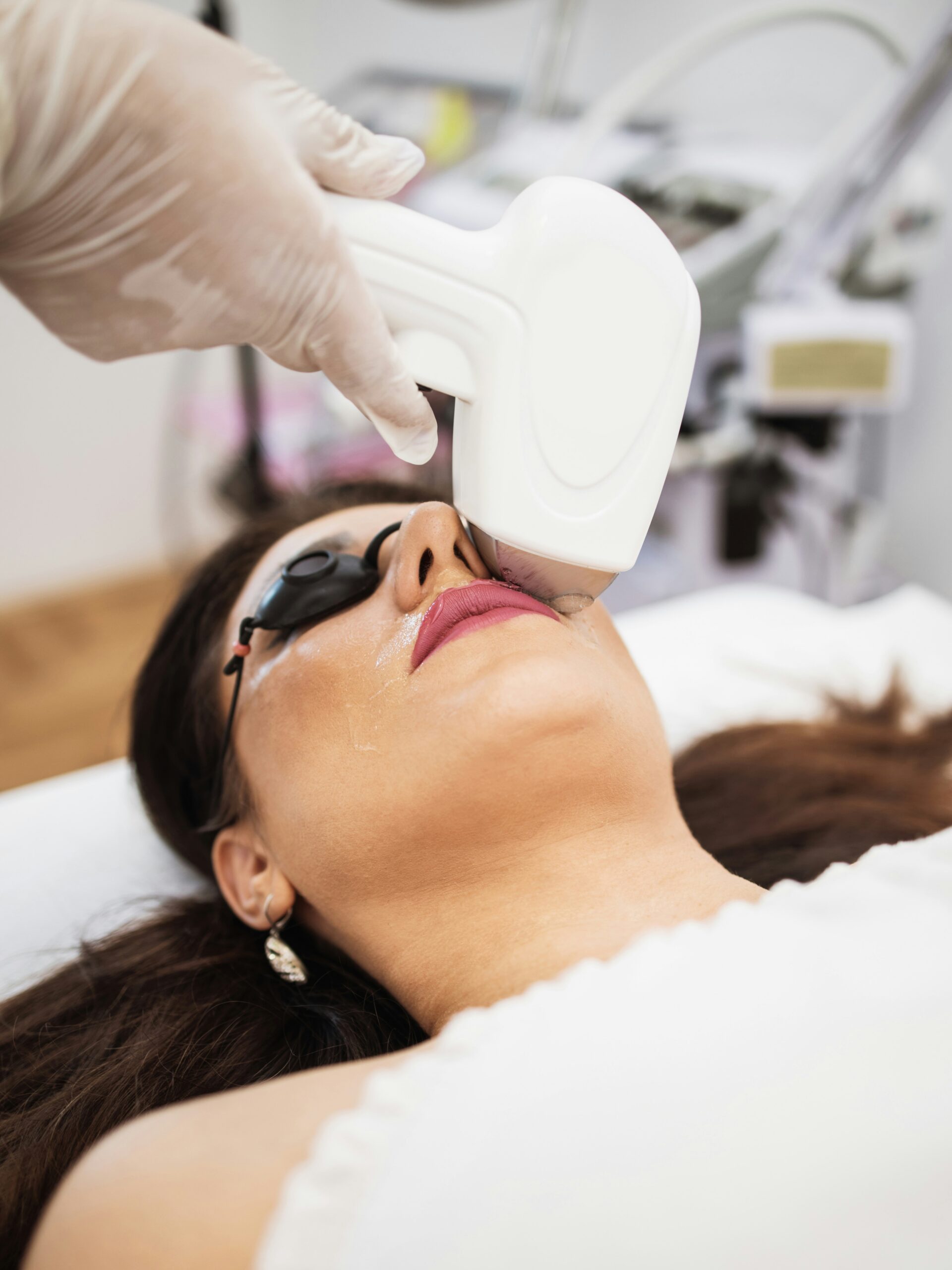
Session requirements by body area
Facial hair and the upper lip tend to need more sessions thanks to hormonal influence and the finer texture of the hair. Underarms, bikini line and legs usually respond brilliantly within six to eight sessions.
Back and chest can be trickier, especially for anyone with hormonally-driven hair growth, and sometimes need ten sessions or more. The good news? Larger areas like legs and back actually fly by during each appointment, because IPL's wide treatment head covers a lot of ground.
Maintenance sessions: what to expect long-term
Once you've completed your initial series, you'll move onto maintenance. That typically means every 1 to 3 months at first. These sessions are there to catch any reactivated follicles and tidy up stragglers.
As regrowth slows, you can stretch the intervals to quarterly, then eventually to annual. Maintenance appointments are much quicker than your initial series (sometimes just 15 to 20 minutes), because you're only targeting patches rather than full coverage. Hormonal shifts and life changes can nudge you back into more frequent visits, and that's completely normal.
Creating your long-term maintenance schedule
Start with monthly or bi-monthly sessions after you've achieved full clearance, then see how your regrowth behaves. Pro tip: track your progress with photos. It's hard to notice slow, steady change in the mirror, but side-by-side photos tell the real story.
Most people stretch to quarterly sessions after the first year, and plenty settle into annual top-ups after that. Staying on top of regrowth early keeps each visit quick and easy.
Who gets the best results from IPL?
IPL works best for people with light to medium skin tones and dark hair. That contrast – pale skin with dark hair – is what lets the light find the follicle without affecting surrounding skin. For darker skin tones, standard IPL isn't recommended because of the increased risk of burns and pigmentation changes. Light blonde, red, white or grey hairs also tend not to respond, as there's simply not enough melanin for the light to latch onto.
Some newer devices claim to handle lighter hair and darker skin, but results are inconsistent. If this is you, a good practitioner will be honest about what IPL can and can't achieve. They'll suggest alternatives where appropriate.

Fitzpatrick skin type assessment for IPL candidacy
Skin types I and II (very fair to fair) get the best results with the lowest complication risk. Types III and IV (medium to olive) respond well when the device settings are dialled in properly. Lower intensity protects the skin while still targeting the follicles. Types V and VI (brown to dark brown/black) are better off seeking out specialised IPL devices designed for darker skin. Alternatives like Nd:YAG laser are also a safer bet for darker skin tones.
Hair colour and texture considerations
Coarse, dark hair is IPL's favourite client. Abundant melanin means fast, satisfying results. Fine or vellus hair (that soft “peach fuzz” you barely notice) usually doesn't respond well, regardless of colour.
Hormonal areas like the chin and jawline can be stubborn even with dark hair, and sometimes need a backup plan. Many people use IPL for the body and switch to electrolysis for persistent facial hair. More on that in a moment.
IPL hair removal effectiveness: real results
When it's done properly, IPL delivers impressive reduction for most suitable candidates. Results come down to device quality, the practitioner's technique and your own factors, like skin tone, hair colour and hormones.
Underarms, legs and bikini line usually respond fastest. Hormonal areas take longer. Professional-grade devices produce faster, more consistent results than anything in a high-street box. That's why salon IPL is still the gold standard.
Most people report around 70-90% reduction in hair growth after completing an initial series. Any regrowth is often finer and lighter. Changes happen gradually, and what feels like slow progress week-to-week becomes dramatic by month six. Don't forget your before-and-after photos to see the difference.
Find an IPL practitioner near you on Treatwell
What real users report
Satisfaction is highest for legs and underarms, where many people report minimal upkeep after the first year. The most common complaints are about slow progress in hormonal zones, or patchy regrowth that needs more frequent touch-ups.
The majority of negative experiences tend to come from unrealistic expectations or inconsistent sessions rather than anything wrong with the treatment itself. People who commit to the full course and trust the process report significantly better outcomes. That's the pattern, every time.

IPL vs electrolysis: the only true permanent method
Electrolysis is the only FDA-approved method for truly permanent hair removal. It treats each follicle individually using an electric current, which is why it's slower and more expensive for large areas.
But here's the thing: electrolysis works on any hair colour and any skin type. It can clear the pale, fine or grey hairs that IPL simply can't touch. Plenty of people combine the two, using IPL for bulk reduction on large areas, then electrolysis for the stubborn stragglers and hormonally-driven patches.
Electrolysis can feel more uncomfortable than IPL (pain tolerance varies massively). But for small areas, like the upper lip or chin, it can make more sense than trying to force IPL to handle hormonal regrowth.
When electrolysis makes more sense than IPL
If your hair is blonde, white, red or grey, electrolysis is the better call. If you have a darker skin tone, electrolysis is safer than standard IPL. Small, stubborn areas, especially hormonal growth zones like the chin, sideburns or the nipple area, often respond better to electrolysis, too. If you want absolute permanence and you're happy to invest more time and money, electrolysis delivers results that IPL simply can't match.
Pros and cons of IPL hair removal

The advantages
The long-term cost savings are real. Compared to a lifetime of waxing appointments or disposable razors, a full IPL course pays for itself in the medium-to-long run. The freedom of rarely thinking about shaving or waxing again is its own kind of luxury.
The treatment itself is gentle, with most people describing it as a quick, warm snap against the skin rather than proper pain. Large areas like legs and back move quickly thanks to the wide treatment head. And you'll notice a serious drop in ingrown hairs as growth slows (bye-bye angry red bumps). Most people see noticeable improvement within just a few sessions, which is enormously satisfying.
The limitations
IPL doesn't guarantee total permanent removal. Some regrowth is normal and maintenance is part of the deal. It doesn't work well on dark skin or light-coloured hair, so it isn't for everyone. A full course takes several months of consistent sessions, so patience is required.
Incorrect settings or technique can cause burns, blistering or pigmentation changes, particularly if the skin has had recent sun exposure. This is exactly why going to a trained practitioner matters. They know what your skin can handle, and they adjust accordingly.
Safety, side effects and precautions
IPL is generally very safe when it's done properly. Mild redness, slight swelling and temporary sensitivity are common and usually settle within a few hours. Rarer risks include burns, blistering and hyperpigmentation (when increased melanin makes skin darker). These are almost always linked to wrong settings, tanned skin or recent sun exposure.
IPL isn't suitable during pregnancy, over active skin infections or if you're on photosensitising medications like certain antibiotics or acne treatments. If any of those apply, your practitioner will talk you through the options.
Pre-treatment preparation
Follow your practitioner's guidance about whether to shave the treatment area before your appointment, or if they will do this as part of the treatment. A little stubble is actually ideal, but longer hair wastes energy and can cause surface burns. Avoid sun exposure and tanning (including fake tan) for 2 to 4 weeks beforehand; even a slight tan bumps up the burn risk.
Pause strong skincare like retinoids and AHAs for a few days before your appointment on the areas that will be treated. A patch test 24 to 48 hours ahead of a new area is standard practice. Arrive with clean, dry skin and no lotion, deodorant or oils.
Post-treatment care
Mild redness usually fades within a few hours, and soothing aloe gel or a cool compress helps. Keep out of direct sun for the first 48 hours and use minimum SPF 30 for at least two weeks after treatment – that's non-negotiable. Your skin is more photosensitive and prone to pigmentation changes, so don't take chances.
Keep the area moisturised but skip harsh exfoliants for several days. Avoid saunas, hot showers and intense workouts straight after your session (rest is legitimately part of the plan). If you get blistering, severe pain or a persistent rash, stop treatments and see a doctor.
Professional IPL: why salon sessions deliver the real results
At-home IPL devices have flooded the market and they can produce modest results for patient, consistent users with ideal skin and hair profiles. But the truth is, professional salon IPL is in a different league. The machines are significantly more powerful and the practitioner tailors settings to your exact skin type and hair. Results come faster and cleaner, and last longer.
A salon treatment also means someone trained to spot contraindications, dial back intensity on sensitive areas and flag anything that needs attention. You're not guessing at intensity settings or hoping you've got the angle right. You just show up, lie back and let an expert handle it. For anything hormonal, patchy or in an area where precision matters (think bikini line or face), that expertise is worth the cash.
Most people who've tried both say the same thing: they wish they'd gone straight down the professional route. You'll need fewer total sessions, you'll see results faster and you won't be second-guessing whether that flash actually did anything.
Let the professionals handle it. Book your IPL session on Treatwell
Comparison table
| Attribute | IPL hair removal | Electrolysis |
|---|---|---|
| FDA permanent? | Permanent reduction | Permanent removal |
| Hair colour limit | Yes (best on dark) | Any colour |
| Skin type limit | Yes (I to IV best) | Any type |
| Pain level | Mild snap | Mild to moderate |
| Time per area | Fast for large zones | Slow (single hairs) |
| Maintenance | Usually needed | Minimal |
| Cost (long-term) | Lower for large areas | Higher for big areas |

Now you know your anagen from your telogen, your IPL from your electrolysis and (more importantly) whether this treatment is actually right for you. The difference between almost-hair-free and actually-hair-free is a properly trained practitioner, a scheduled course of sessions and a bit of patience.
Browse IPL specialists near you on Treatwell, compare salons, read real reviews and book for whenever suits. Today, this weekend or that suspiciously empty Tuesday afternoon next week. You'll thank yourself in six months.
Ready to start your IPL journey? Book now on Treatwell
FAQs
No, it provides permanent reduction. That means significantly less hair, with any regrowth usually finer and lighter. Some regrowth is normal, especially in hormonal areas.
Most people notice visible thinning after 3 to 4 sessions, with best results showing up around sessions 6 to 8.
No. IPL needs melanin to work, so light blonde, red, white and grey hairs won't respond. That's where electrolysis comes in.
Standard IPL works best on skin types I to IV. Darker tones (V and VI) risk burns and pigmentation changes with standard devices. Specialised IPL devices or Nd:YAG lasers are safer alternatives, and a good practitioner will know which is right for you.
Start with sessions every 1 to 3 months after your initial series, then extend intervals as regrowth slows. Many people eventually manage with quarterly or annual top-ups.
Most people describe it as a quick rubber band snap: brief and mild. Sensitive areas may feel slightly more intense, but it's generally well-tolerated.
Yes, with the right settings and a skilled practitioner. These are more sensitive zones, so professional treatment is the safer bet. Your practitioner will adjust intensity and technique accordingly.