
You catch your nail on a jumper, feel that tiny snag, and there it is: a split running right through the nail you’d been carefully growing out for weeks. Or maybe you’ve noticed the same nail keeps peeling at the tip, over and over, no matter what you do? Either way, a split nail is one of those small things that feels weirdly personal, especially when you can’t work out why it keeps happening.
The good news is that most split nails are cosmetic, fixable and preventable once you know what’s behind them. The slightly less fun news is that “just glue it and hope” rarely holds for long. So let’s talk through what a split nail is, why yours might keep appearing, when it’s worth getting checked, and how a professional can repair and strengthen your nails properly. (Hint: we can help with that.)

What is a split nail?
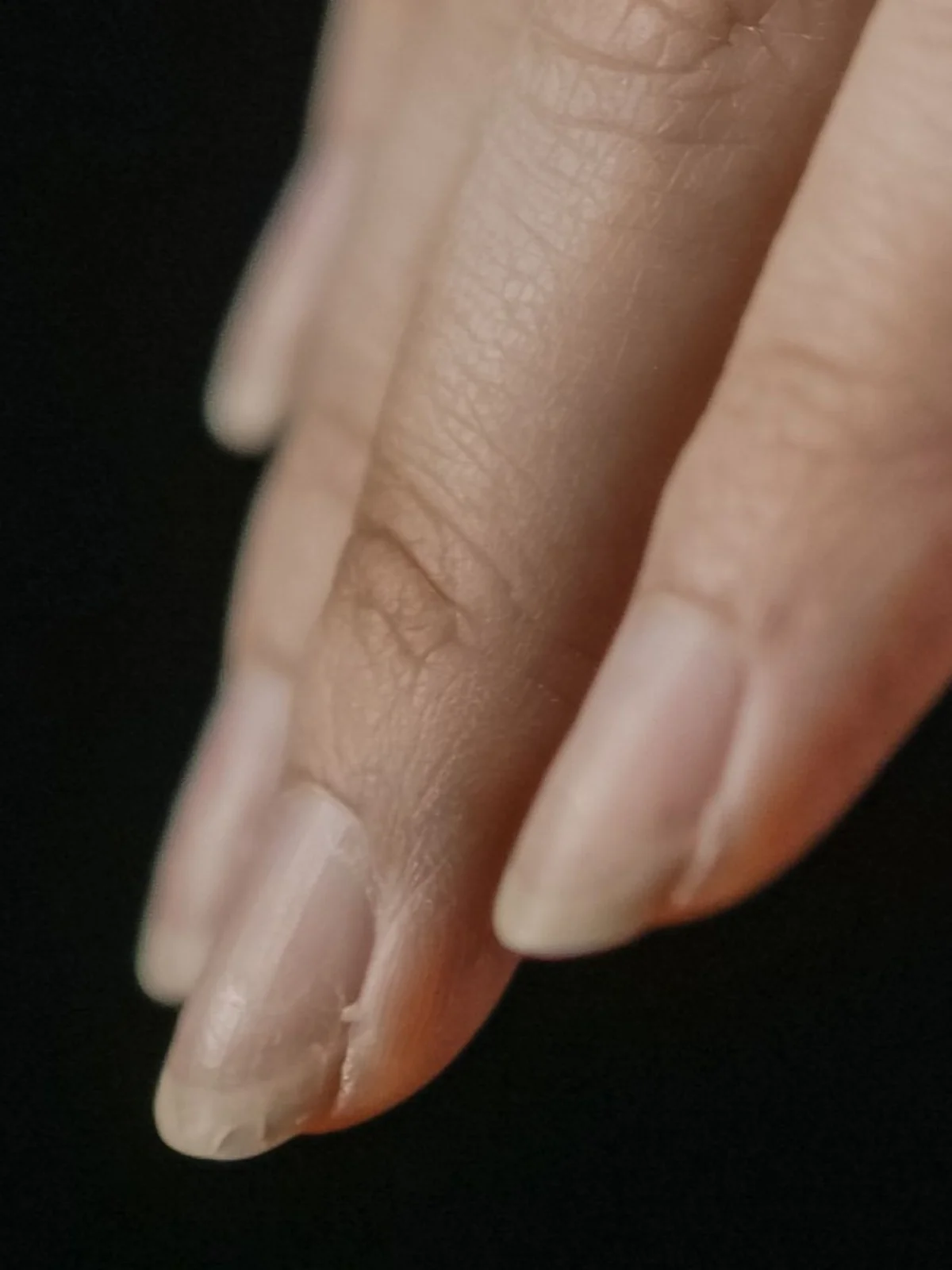
A split nail is exactly what it sounds like: a break or separation in the nail plate, either running lengthways from the tip towards the cuticle, or peeling in thin layers at the free edge.
Nails are made of layers of keratin (the same protein found in your hair) which are held together by natural oils and moisture. When those layers dry out or get damaged, they start to separate, a bit like the pages of a book left out in the sun. Working out which kind of split you’ve got is the first step to sorting it, so let’s break it down.
Vertical splits versus horizontal splits
Vertical splits run from the free edge down towards the cuticle following the natural lines of the nail. A single deep vertical split that appears suddenly and keeps coming back in the same spot is worth paying attention to (more on that below). Horizontal splits, on the other hand, tend to show up as peeling or flaking across the tip, and are more often down to dryness and everyday wear.
Neither type means you’ve done something wrong, by the way. Nails are surprisingly delicate, and they take the brunt of daily life.
Whether it’s one nail or several
The number of nails affected is a big clue to what’s going on. If several nails are splitting and peeling together, it usually points to a general problem, like dryness, frequent hand-washing, or your overall nail care routine. If it’s just one stubborn nail, again and again in the same place, that’s a slightly different story and could signal something going on beneath the surface. Keep that distinction in your back pocket for the “when to see a doctor” part later.
What causes nails to split?
Most split nails come down to moisture, or the lack of it, plus a bit of everyday wear and tear. Nails constantly lose and regain water, and anything that tips the balance towards “too dry”, or batters the nail physically, can leave it splitting. Here are the usual suspects.
Everyday wear and water
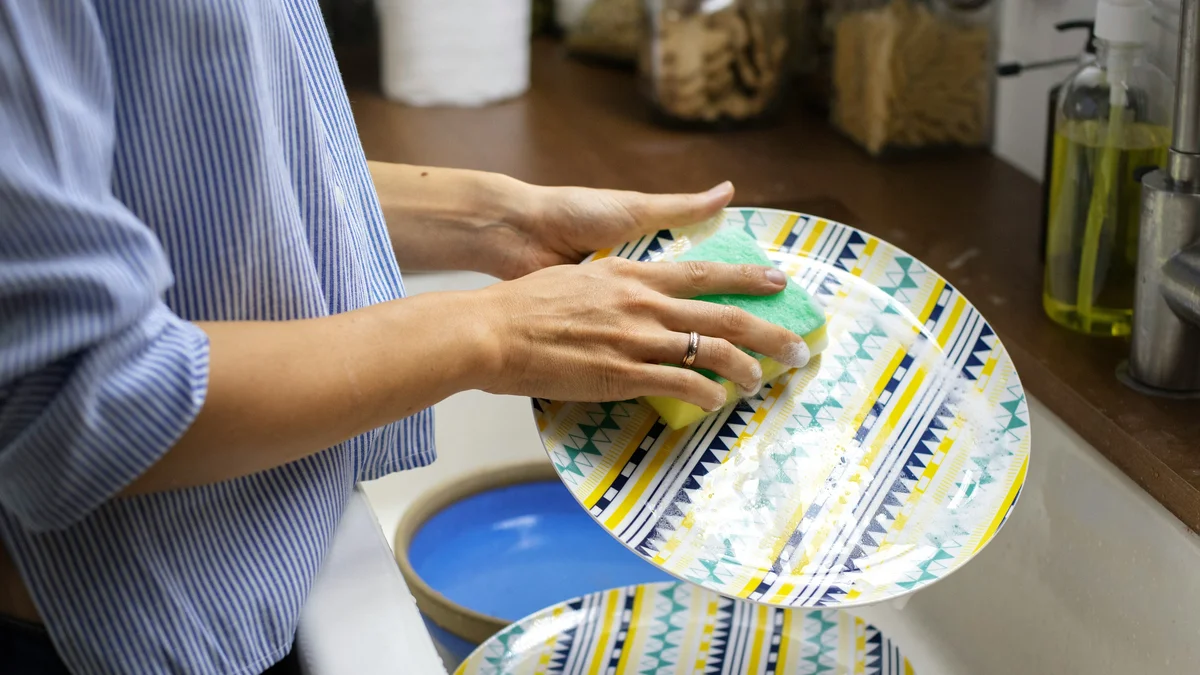
Water is the big one here. Think washing up without gloves, long baths, swimming. Repeatedly wetting and drying your nails makes the keratin layers swell and shrink until they start to separate. If your hands are in and out of water all day, that is likely what’s behind it. Frequent wear like gardening, typing, opening fizzy drink cans with your nails (so tempting) can all add up too.
Manicures, gels and acetone
Harsh removal is where nails often take a hit. We love a good mani as much as anyone. But picking or peeling off gel polish drags away the top layers of the nail with it, while acetone-heavy removers strip out the natural oils that keep everything flexible. Over-filing, or filing in a back-and-forth sawing motion, can fray the edge too. None of this means you have to give up polish, it just means how it goes on and comes off matters (which is exactly where a professional beats your beauty drawer).
Ageing and hormones
As we get older, nails naturally produce less moisture and can become more brittle and prone to splitting. Hormonal shifts can play a role too. It’s completely normal, and it simply means your nails need a bit more TLC than they used to.
Deficiencies and underlying conditions
Sometimes splitting nails trace back to nutritional gaps, such as low iron, zinc or biotin, or to health conditions like thyroid problems, psoriasis, eczema or a nail infection. This is the point where we hand you over to the medical experts. If you suspect this sort of issue, it’s a conversation for your GP or a dermatologist rather than a nail file. We’ll flag the signs to watch for further down.

Split, brittle or peeling nails: knowing the difference
Splitting, brittleness and peeling are three slightly different problems, and telling them apart helps you treat the right thing. It’s easy to lump them all under “my nails are rubbish”, but each behaves a little differently.
Brittle nails are hard, dry and snap off cleanly, usually because they’ve lost moisture to water and chemicals. Peeling (or flaking) is when thin layers lift away from the surface or the free edge, which is often a sign of dehydration and everyday wear. Splitting is when the nail itself separates along its length or cracks through, and it’s sometimes the result of peeling nails that have gone unchecked. Dry, dehydrated nails are the root cause of all three, which is why hydration and gentle handling are the top solutions.
If you’re not sure which camp yours fall into, a nail technician will spot the difference in seconds. Then you’ll know the best course of action. Brittle and peeling nails often respond well to a conditioning routine and a strengthening manicure. A deep, recurring split in a single nail is the one that deserves a closer look.
Could a split nail be a sign of something medical?
Usually not, but occasionally yes. The vast majority of split nails are cosmetic and tied to dryness or damage. That said, nails can act as a little window into your general health, so keep an eye out for certain patterns.
Be curious if a split appears suddenly with no obvious cause, affects only one nail repeatedly, or comes alongside pain, swelling, discolouration, thickening, or the nail lifting away from the bed. These symptoms point to an underlying issue that needs to be checked. We’re not saying panic (please don’t), just that your nails are trying to tell you something, and a professional is the right person to translate.
Vitamins, deficiencies and splitting nails
The nutrients most often associated with nail strength are biotin, iron and zinc. In some people, low levels of these show up as brittle, splitting nails, which is why you’ll see biotin supplements marketed at anyone with a broken nail.
It’s true, nutrition matters for nail health, but self-diagnosing a deficiency and reaching for supplements isn’t the move. If you think your diet might be behind your splitting nails, or you’ve noticed other symptoms, speak to your GP who can test for it properly. In the meantime, a balanced diet does your nails (and the rest of you) plenty of favours.

How to fix a split nail
For a fresh split, the immediate goal is to stop it catching and tearing further, then let it grow out. In the short term, filing the nail short and smooth takes the pressure off the damaged area and stops it snagging on everything you own.
You’ll find plenty of DIY hacks online, from dabs of nail glue to little silk or teabag patches laid over the break. And yes, these can hold a split together in a pinch. But they’re fiddly, they rarely last, and done badly they trap moisture or pull at the nail and make things worse. A split nail is only ever going to fully resolve as the nail grows out, so the real job is protecting it cleanly in the meantime.
Why a professional repair lasts longer
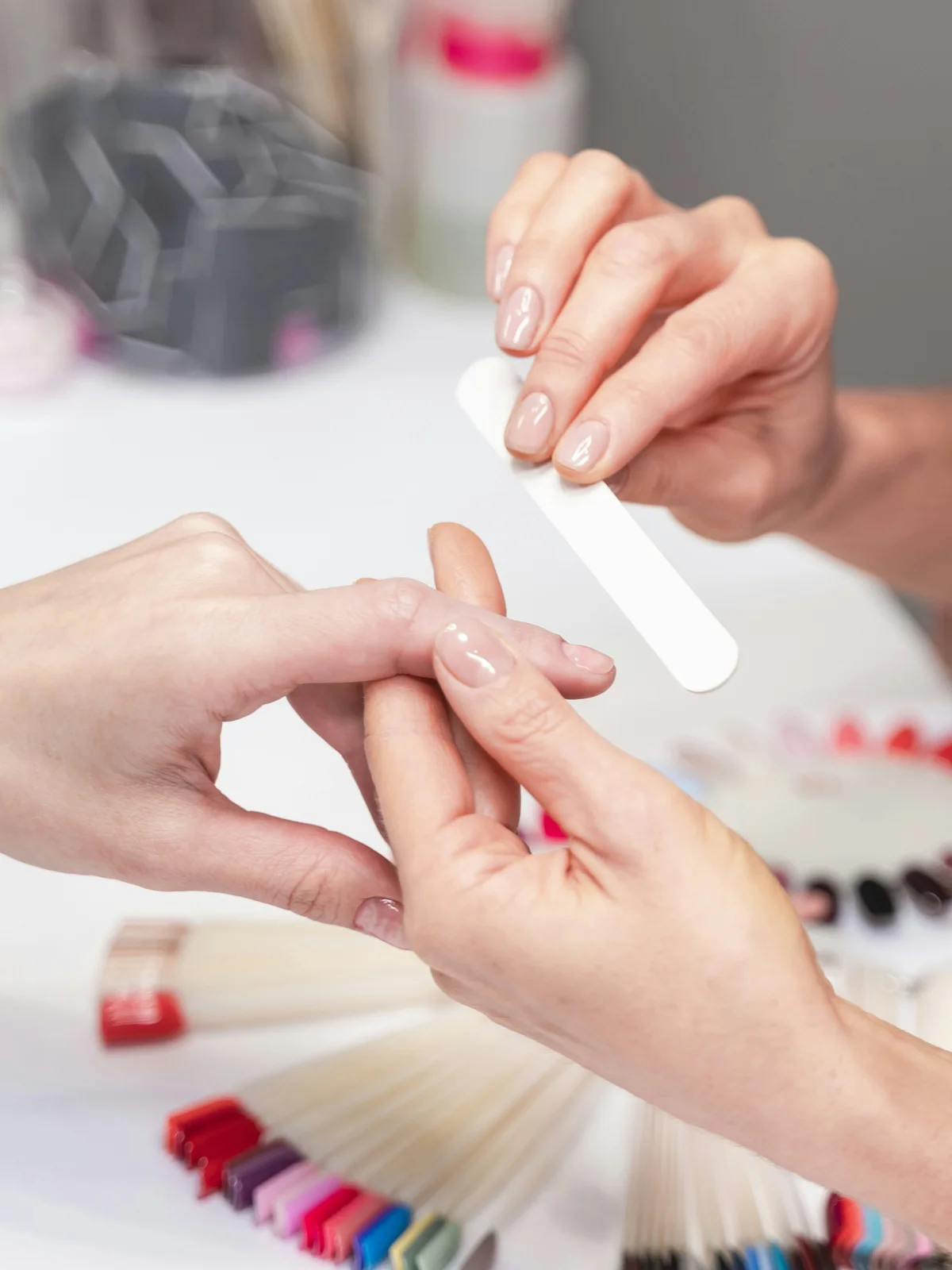
A professional repair lasts longer because it grows out with the nail instead of pinging off in two days. A nail technician can apply a thin, secure overlay or wrap that holds the break together neatly, rather than a lumpy home fix. They’ll also shape and seal the edge so it stops catching, and can advise whether your nail needs strengthening rather than just patching. It’s the difference between a plaster and a proper fix.
How a salon can strengthen splitting nails
A salon can strengthen splitting nails with treatments that work into the nail itself, not just patch the surface. If your nails split again and again, treating each one as it happens is dealing with the symptom, not the cause. This is where professional strengthening comes in.
A good technician might suggest a strengthening treatment that penetrates the natural nail to toughen it from within, or a protective gel overlay that shields weak nails while they grow out stronger underneath. A regular, well-executed manicure also keeps your cuticles and nails conditioned and your edges filed correctly, which helps prevent a lot of splits before they start. Think of it as maintenance rather than emergency repair.
The other underrated perk: a professional will look at your nails and tell you what’s going on, whether it’s a filing habit, a hydration issue, or symptoms that need a medical opinion. You get a plan, not just a polish.
Split toenails and what’s different about them
Toenails split too, and while a lot of the same rules apply, there are a couple of extra things to look out for. Toenails are thicker and grow more slowly than fingernails, so a split can take longer to grow out (patience, again). They’re also under near-constant pressure from shoes, which is a common reason they crack or split at the corners and edges.
If your toenail has split because your footwear is rubbing or too tight, then roomier shoes and keeping the nail trimmed straight across will take the strain off. But a split toenail that’s thickened, discoloured, painful, or lifting is more likely to involve a fungal infection or an injury, and that’s one to get looked at rather than left. A professional pedicure keeps toenails filed, sealed and cared for correctly, which prevents a good number of splits before they happen. A pro technician will also tell you if your nail needs a doctor’s eye instead.

How to prevent split nails
Prevention is where you’ll win the war, and it’s not complicated. A few small habits add up fast:
- Wear gloves for washing up, cleaning and gardening. Anything that keeps your nails out of water and away from chemicals is a win.
- Keep nails on the shorter side while they recover. Less length means less to catch and snap.
- Massage in cuticle oil or a rich hand cream daily, especially after your hands have been in water. Hydration keeps the keratin layers flexible instead of brittle.
- Go easy on removal. Never peel off gel polish, and choose gentler, acetone-free removers where you can.
- File in one direction with a fine file, rather than sawing back and forth.
- Eat a balanced diet so your nails get the nutrients they need from the inside.
Do these things consistently and you’ll likely see a real improvement as your nails grow out. Patience is the annoying-but-necessary ingredient here: nails grow slowly, so we’re talking months not weeks.

Wearing polish and gels while your nails recover
Panicking about going bare for months? No need, because you don’t have to swear off colour while your nails recover. The important bit is how it goes on and comes off, not the polish itself.
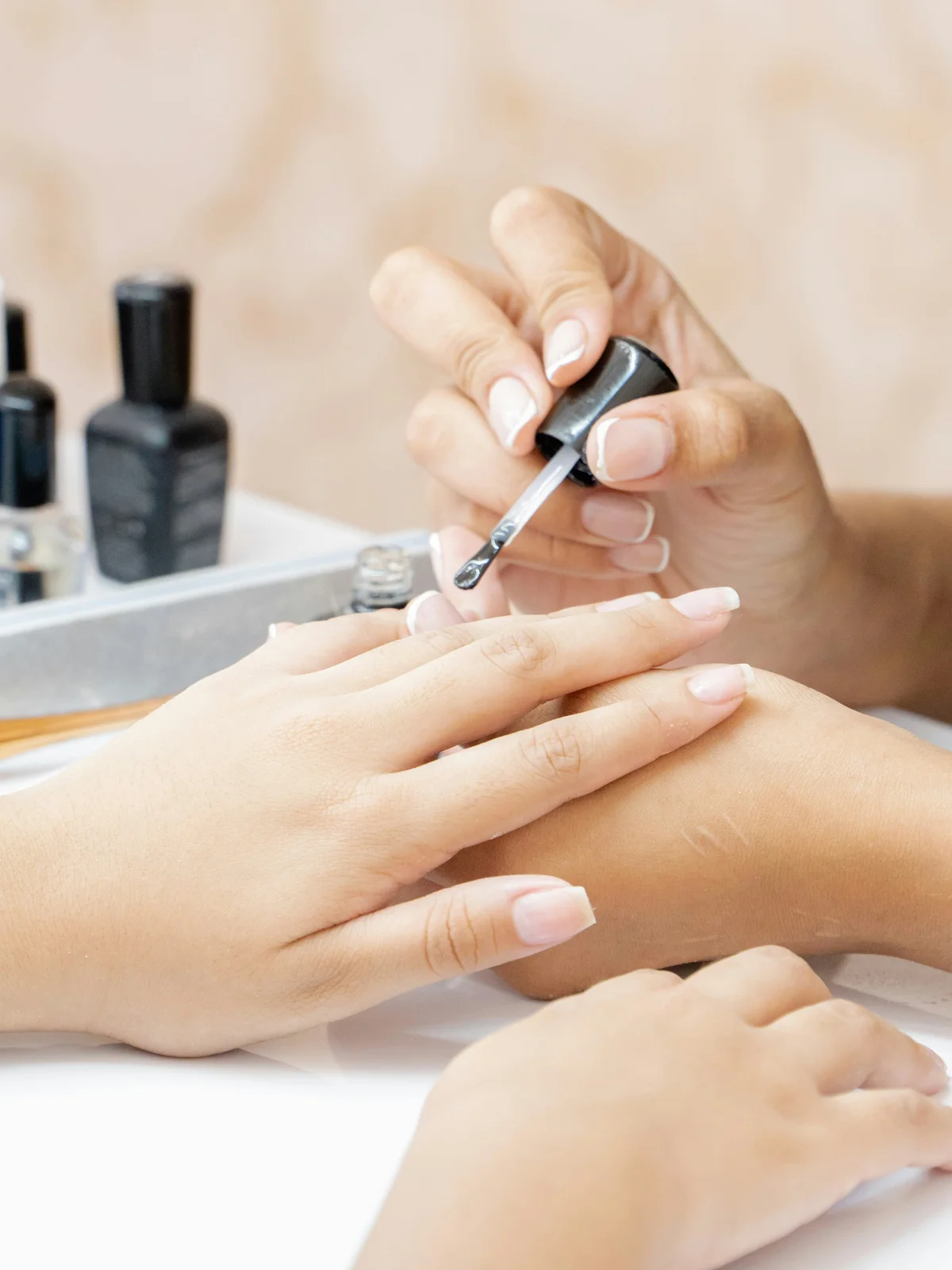
A well-applied gel or protective overlay can act like a little shield, holding a fragile nail together and stopping it flexing and splitting further as it grows. The catch is that this only works when it’s done properly and, crucially, removed properly. That means soaked off gently rather than picked or peeled, since peeling is how a lot of splits start in the first place. This is exactly the kind of thing that goes wrong at home and goes right in a salon, where they remove it without stripping your natural nail.
If your nails are in a fragile phase, let your technician lead the way. They might suggest a strengthening base, a breathable overlay, or a short break from gels, depending on what your nails need. Either way, you’re not doomed to bare nails while things heal.

When to see a doctor
Most splits are nothing to worry about. But book in with your GP or a dermatologist if a split is sudden and unexplained, keeps recurring in a single nail, or comes with pain, swelling, discolouration, thickening, bleeding, or the nail separating from the bed. The same goes if basic care and a few months of patience haven’t made any difference at all.
There’s no prize for waiting it out if something feels off. Getting it checked is the sensible, grown-up move, and usually the fastest route to peace of mind.
Ready to book?
A split nail is rarely as dramatic as it feels in the moment. Most are down to dryness and everyday wear, they’re fixable, and with a few tweaks to your routine they don’t have to keep happening. But if you’re tired of patching the same nail on repeat, or you just want your hands looking neat again without the fuss, a professional will get you there faster and keep you there for longer.
Whether it’s a proper repair, a strengthening treatment, or a regular manicure that keeps splits at bay, booking in makes it all a breeze. Find a nail salon near you, get comfy, and let someone who does this all day sort it out. Your nails (and your favourite jumper) will thank you.
FAQs
What deficiency causes split fingernails?
Splitting nails are most often linked to low iron, zinc or biotin, though dryness and damage are far more common causes. If you suspect a deficiency, don't self-diagnose, ask your GP for a proper test rather than guessing with supplements.
How do I fix a nail that has a split?
File it short and smooth to stop it catching, then let it grow out, as a split will only fully resolve as the nail grows. For a repair that actually lasts, book in with a nail technician who can apply a secure overlay rather than relying on a home glue fix.
Why are my fingernails suddenly splitting and breaking?
Sudden splitting is usually down to increased dryness, more time with your hands in water, harsh polish removal, or general wear and tear. If it comes on out of nowhere, affects only one nail, or is painful, that's your cue to get it checked by a doctor.
How do you fix a vertical split nail?
Keep it filed short so it can't snag and tear further, moisturise the nail and cuticle daily, and be gentle with polish removal and filing. A professional overlay can hold a deeper vertical split together neatly while it grows out, which is far more reliable than DIY patches.
Does petroleum jelly (like Vaseline) or oil help splitting nails?
It can help, though not as a cure. Massaging in petroleum jelly, cuticle oil or a rich hand cream, especially at night and after your hands have been in water, locks in moisture and keeps the keratin layers flexible so they're less likely to separate. It won't mend an existing split, but consistent hydration is one of the simplest ways to prevent the next one.
Do split nails grow back to normal?
Yes, in almost all cases. Nails grow out completely over a few months, so as long as you protect the split and address what caused it, a healthy new nail will replace the damaged one. Consistency with aftercare is what makes the difference.