
Everything you need to know about the nail treatment that actually lives up to the hype. How it works, how much it costs and whether it’ll finally let you grow your nails to your dream length.
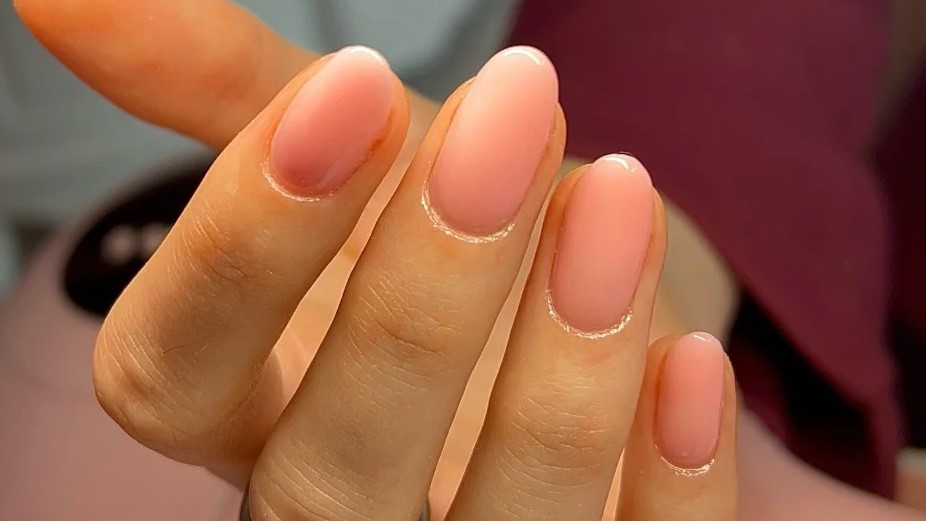
So, what is BIAB?
BIAB stands for builder in a bottle, and it’s the nail treatment that’s been quietly taking over every salon menu for the past few years. If you’ve ever scrolled past a set of impossibly glossy, natural-looking nails on Instagram and thought “how are their nails that long and that healthy?”, the answer was probably BIAB.
Let’s break it down: BIAB is a thick gel overlay that’s applied directly onto your natural nails. It works as a primer, base, builder and often colour in one product. The formula is denser than regular gel polish but more flexible than acrylics, creating a protective coating that’s strong enough to prevent breakage but supple enough to move with your nails. BIAB fills ridges, builds structure and delivers a glossy, salon-quality finish that lasts. Who doesn’t want that?
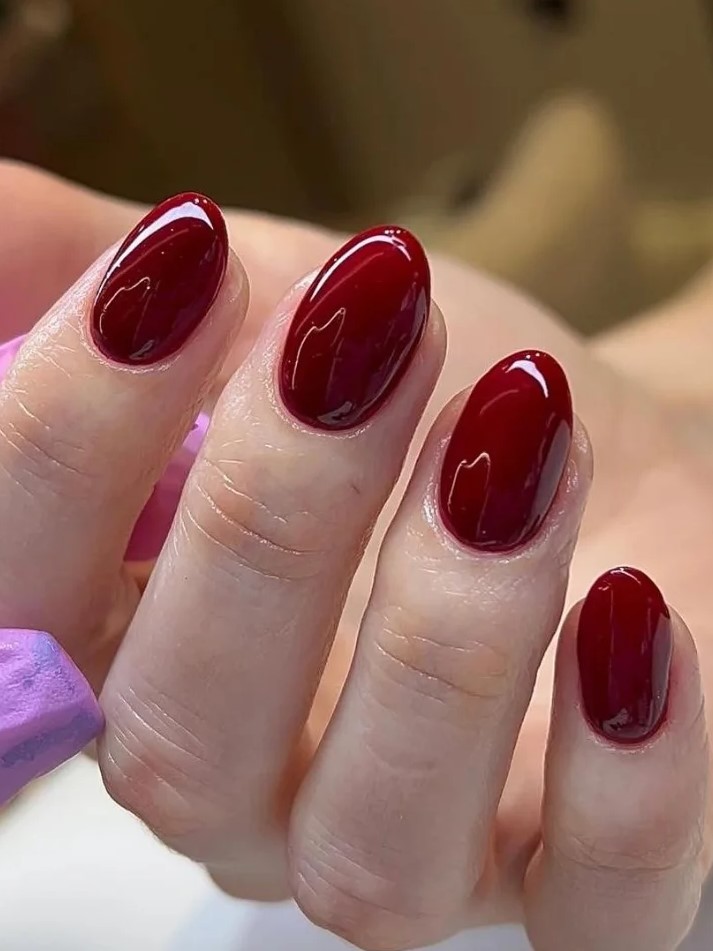
Nail technicians love BIAB because it helps their clients grow out their natural nails – even the ones who’ve spent years picking, biting or seeing their nails snap the moment they reach any kind of length. If that sounds familiar, we feel you. BIAB might be the treatment that actually changes things.
The technology behind BIAB
BIAB uses advanced gel polymers that bond closely to the nail plate. Unlike traditional gel polish that sits on the surface, BIAB’s dense, self-levelling formula adheres well and builds an apex – a structural high point on the nail that distributes pressure and prevents cracks. Think of it as creating a scaffold around your nail: strong enough to take the impact of daily life (like typing, washing up, opening yet another package you don’t remember ordering), but flexible enough that it doesn’t crack when your nail bends.
Where did BIAB come from?
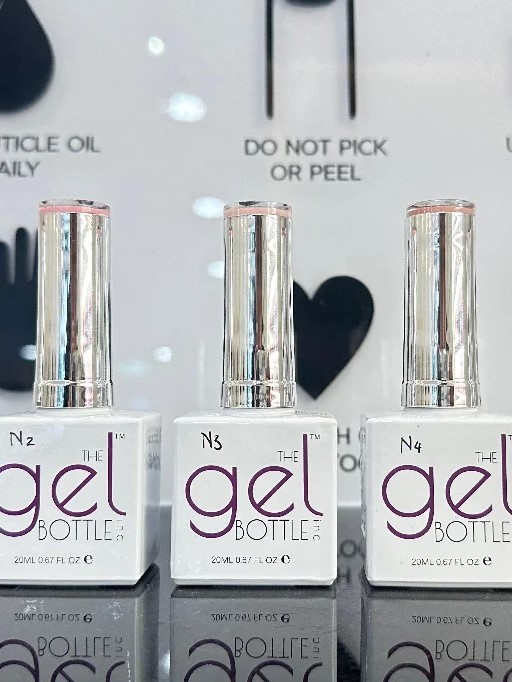
The Gel Bottle Inc. pioneered the original BIAB and it rapidly became a salon staple for its durability, easy soak-off removal and natural finish. Social media and celebrity manicurists gave it visibility, but word of mouth is how the obsession spread. Clients with brittle nails could now grow them out. People who’d never had long natural nails were posting before-and-afters that looked like a different pair of hands. That kind of result sells itself.
Why everyone’s obsessed: the benefits of BIAB
We get it, every nail treatment claims to be life-changing. But BIAB has a few things going for it that truly set it apart.
Strength without stiffness
For weak, splitting or peeling nails, standard gel polish doesn’t cut it. BIAB’s thicker formula often outperforms regular gel on durability while still being flexible enough to let nails move naturally. Unlike the rigid shell of acrylics, BIAB forms a supportive layer that works with your nail.
It actually helps your nails grow
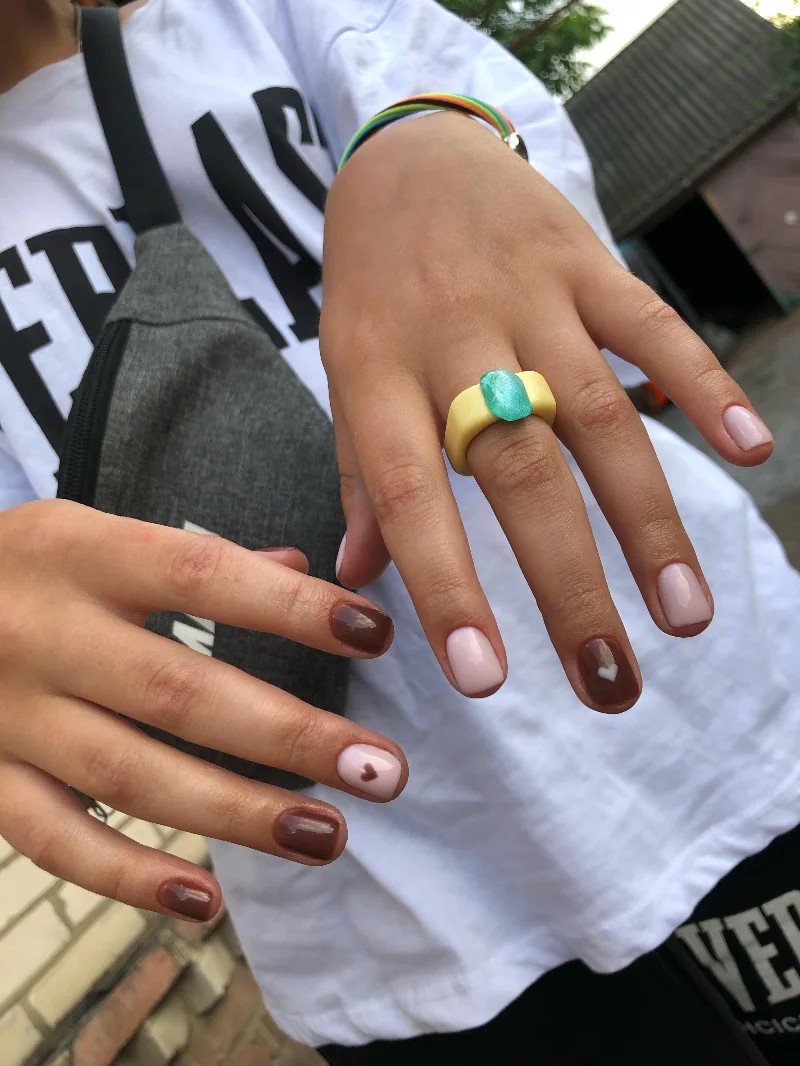
This is the big one. Acting as a protective overlay, BIAB shields your nails from chips, tears and the general wear of daily life, allowing steady, uninterrupted growth underneath. After two or three BIAB cycles, most people find their natural nails are noticeably stronger and longer than they’ve been for years. It’s not magic, it’s just that your nails finally have time to grow without breaking.
A nail biter’s best friend
If you’re a picker, a biter or someone who absent-mindedly peels off their gel at the traffic lights (we’ve all been there), BIAB creates a barrier that makes those habits less satisfying. The overlay is thick enough to deter nibbling, and nail technicians can even create short extensions on very bitten nails to give you a head start. Many clients say BIAB is what finally helped them stop biting – not willpower, just a really good manicure.
Gentler removal
Unlike acrylics, which typically require heavy filing, BIAB is soak-off. It softens in acetone for easy, gentle removal that doesn’t take half your nail plate with it. That gentler process means you can maintain BIAB long-term without the cumulative damage that comes with more intensive treatments.
What happens during a BIAB appointment?
Knowing what to expect takes the mystery out of it, especially if you’re booking BIAB for the first time.
In the salon
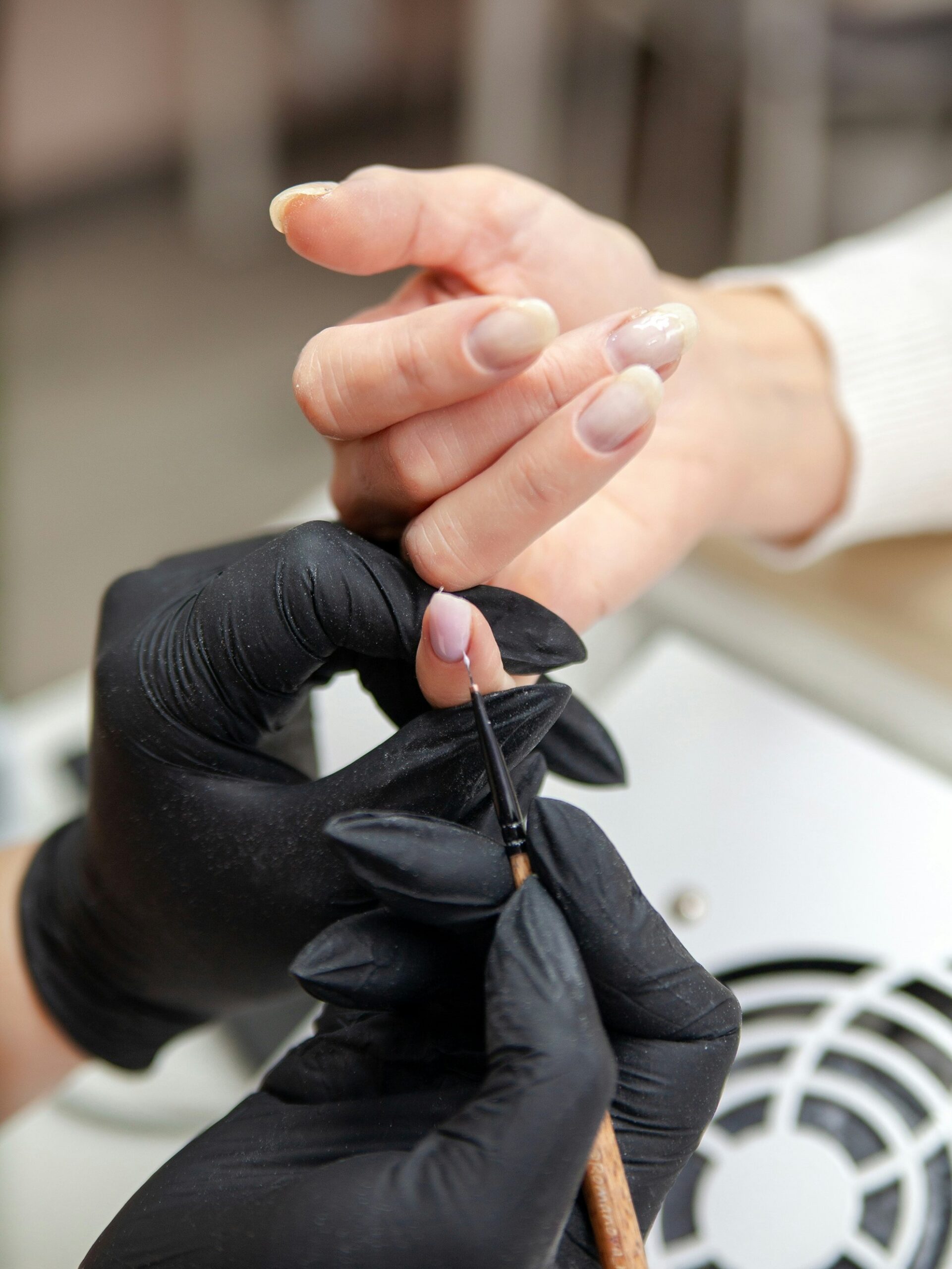
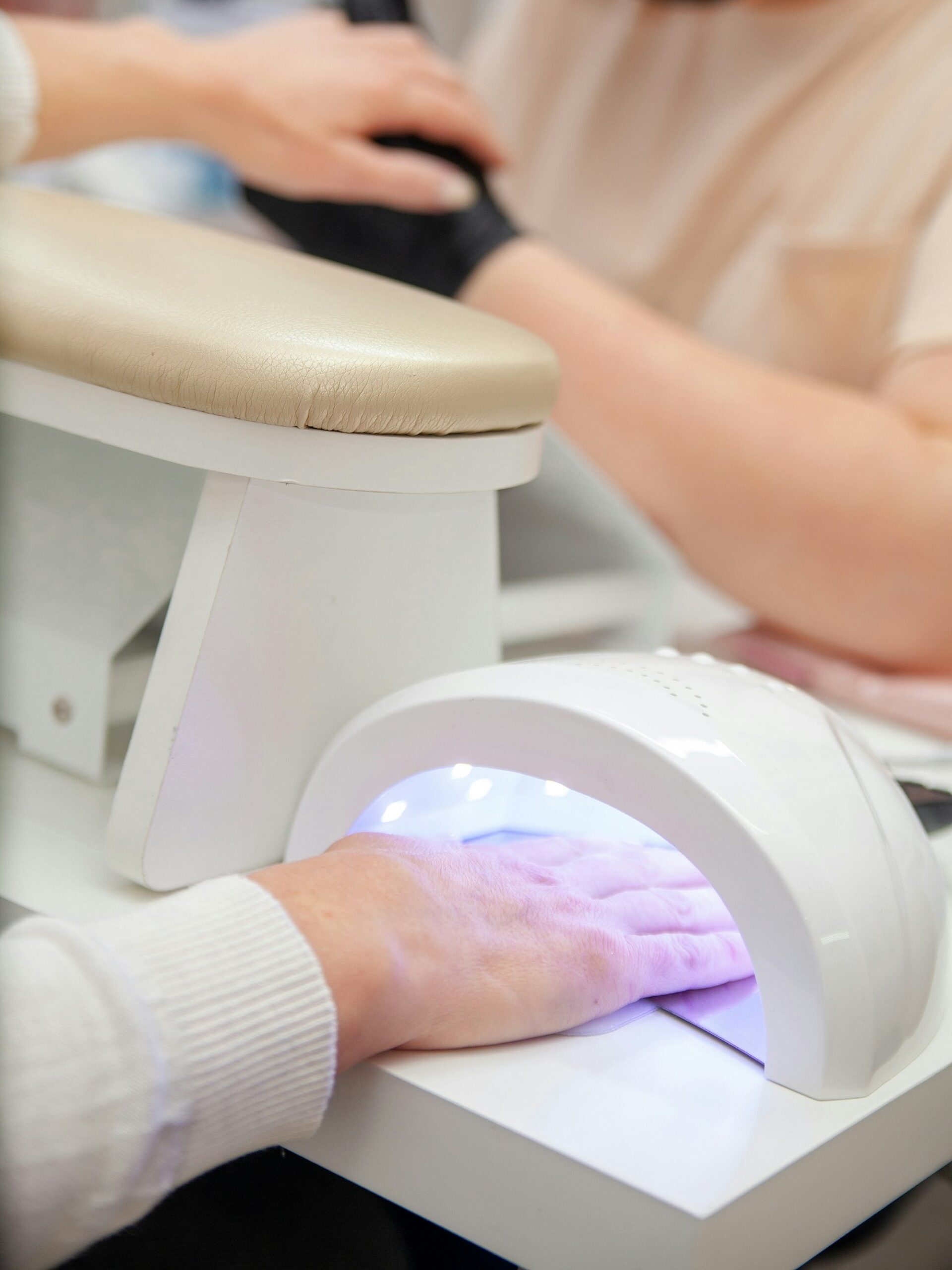
A salon BIAB appointment takes around 60 minutes – slightly longer than a gel manicure. Your nail tech will shape your nails, care for your cuticles and buff the surface to create the right base for adhesion. Then the BIAB is applied. First, a thin coat, then a thicker bead of gel, which the technician will spread across your nail before letting the formula’s self-levelling quality achieve an even overlay, and sometimes turning the hand over to create the apex in the centre. The gel is cured under UV or LED light between layers and finished with a top coat for shine.
Good prep is everything here. If your technician rushes the cuticle work or skips proper dehydration, you’ll get lifting within days. A properly applied BIAB can last the full four weeks without a single chip, so it’s worth finding someone who takes their time with the prep stage. Ask to see before-and-after photos of their BIAB work before you commit.
DIY at home
Can you do BIAB at home? Technically, yes. Should you? That depends on your patience – and a steady hand. You’ll need a quality BIAB product, an LED or UV lamp, a nail file and a willingness to practice. The two biggest mistakes beginners make are applying layers too thick (which causes bubbling and lifting) and over-buffing the natural nail during prep.
Infills and maintenance
Instead of removing the entire overlay every three weeks, your technician can do an infill. This involves filing the existing overlay to remove some bulk, neatening your cuticles and using the bead technique to fill the gap and create a smooth finish all over. Infills can help preserve nail health as there’s no need to soak off the overlay. They also prevent that slightly unbalanced feeling you get when growth leaves the overlay sitting at the tips.
How long does BIAB last?
A BIAB manicure typically lasts 3–4 weeks, even on active hands. Hard BIAB formulas may stretch slightly longer. That kind of durability is impressive. Honestly, you’re more likely to book a refresh because of regrowth than because of chipping. Most people book an infill every 2-3 weeks and renew the full set every 3-4 cycles to check nail health.
That said, your mileage depends on aftercare. Daily cuticle oil (this one’s non-negotiable), gloves for washing up, and keeping an eye on chemical exposure all help your BIAB go the distance.
Be sure to go back to your salon if you notice any lifting, as this can trap moisture in between the gel and the nail plate, which may lead to an infection.
How to remove BIAB (without destroying your nails)
Here’s the golden rule: never peel it off. We know it’s tempting when a corner lifts. We know you’re sitting in a meeting and you can feel the edge. Resist. Peeling off BIAB takes layers of your natural nail with it, undoing all the strengthening work you’ve put in.
Soak-off method
Buff the top layer lightly to break the seal, apply acetone-soaked cotton to each nail and wrap in foil. After 10–15 minutes, unwrap and gently push the softened gel off with a wooden stick. Top tip: using a base coat under your BIAB can reduce soak-off time without compromising wear.
Professional e-file removal
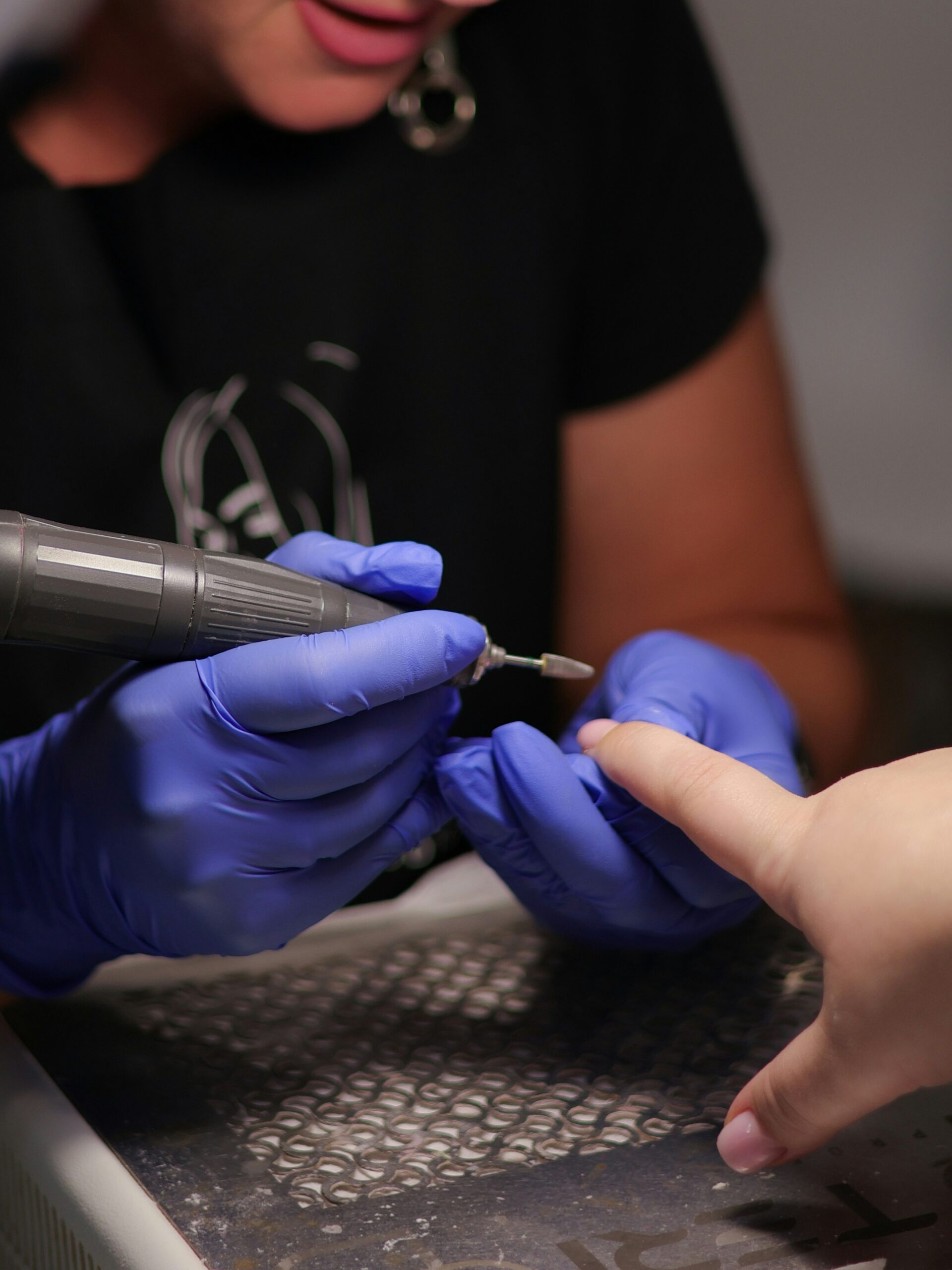
Many salons use an e-file (electric file) to carefully remove most of the product before a brief acetone soak, reducing both time and risk to the natural nail. This is a handy technique for thick overlays or Hard BIAB formulas, which take longer to soak off. If you’re new to BIAB, professional removal for the first few times is a smart move.
Either way, finish with cuticle oil – and be generous. Your nails have been under a protective layer for weeks, so give them some hydration love before you do anything else.
Colours, finishes and nail art
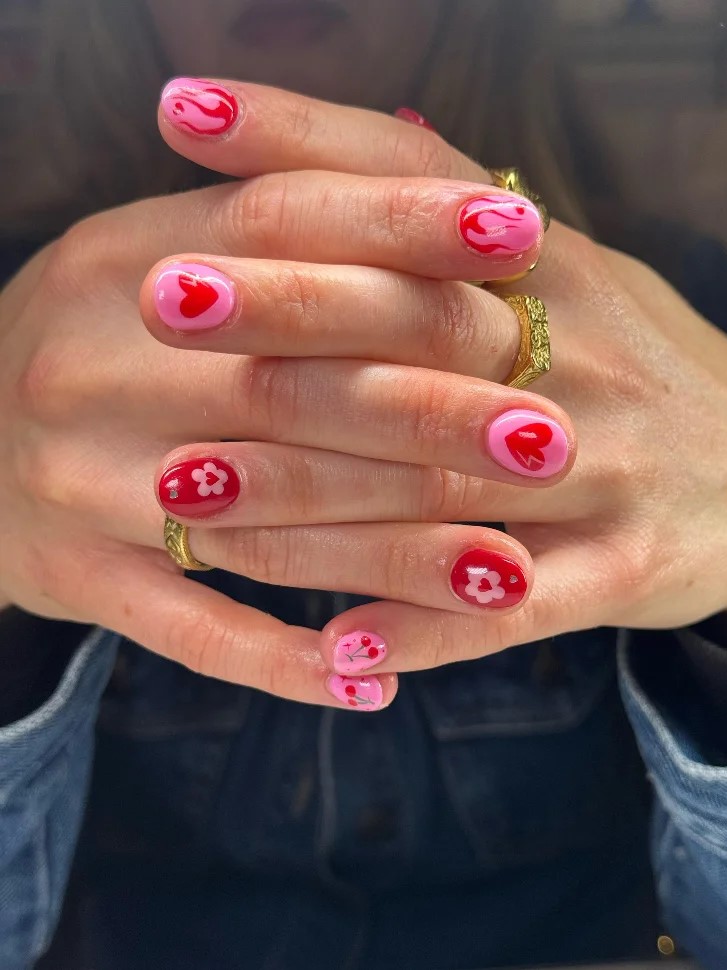
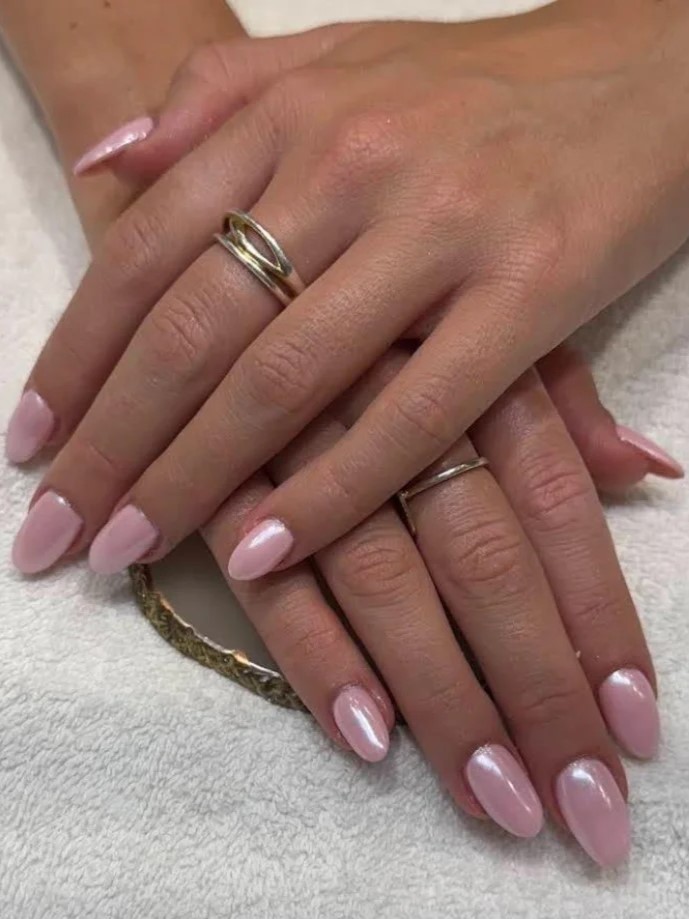
If you think BIAB means committing to nude pink forever, think again. The original shades were soft pinks, nudes and milky whites – perfect for the clean girl aesthetic – but some brands now offer upwards of 70 colours.
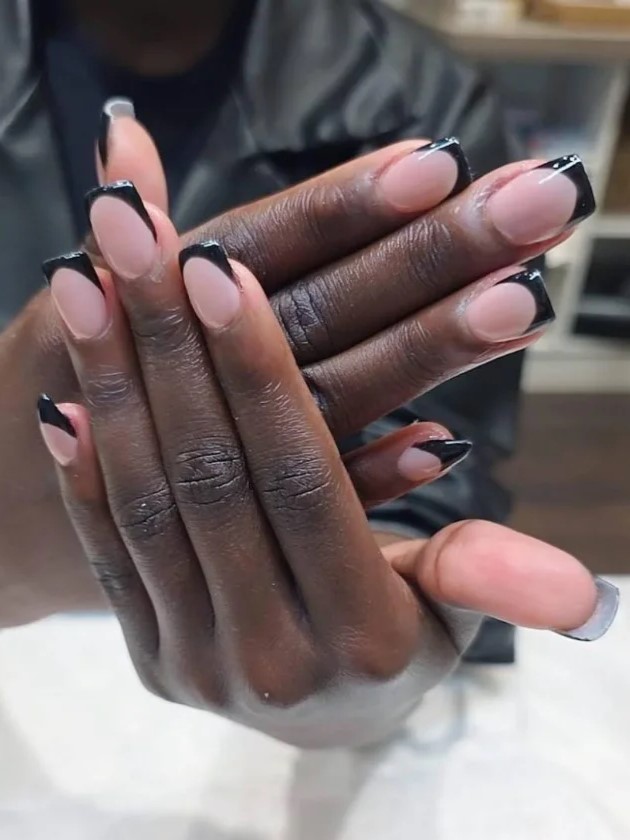
BIAB pairs beautifully with chrome powders, glitter gradients and hand-painted nail art. Clear BIAB is particularly popular as a strengthening canvas for creative designs – you get the structural support with complete freedom on top. Trending BIAB styles right now include glass skin nails (sheer, dewy lit-from-within finishes inspired by K-beauty), chrome details, pastel swirls and the ever-reliable French tip with a modern twist. Don’t worry about sacrificing strength for aesthetics because you can absolutely have both.
Standard BIAB vs Hard BIAB: which one do you need?
Standard BIAB suits most nails. It provides everyday strength and a natural feel without being heavy. It’s the go-to for overlays on natural nails and light strengthening and it can be soaked off using acetone.
Hard BIAB is formulated for sculpted extensions or situations where you need extra durability – manual jobs, particularly active lifestyles, or if you just want more dramatic length. Hard BIAB can’t be soaked off, it’s file-off only.
If you’re unsure, your nail tech will recommend the right formula based on your nail condition and what you want to achieve. It’s also worth mentioning HEMA-free options – if you’ve ever had a reaction to traditional gel formulas, HEMA-free BIAB is available and could be a better choice.
How much does BIAB cost?
In the UK, BIAB prices typically range from €45–€60 depending on location, salon prestige, and whether you’re getting a straightforward overlay or something more elaborate. Central Dublin salons tend to sit at the upper end (€50–€60+), while regional salons are often more accessible at €35–€40.
Infills are a similar price to full sets because the amount of work required is often the same, but you save on the cost and time of removal, which is where the long-term value really shows.
Broken down per week, a €40 BIAB that lasts four weeks costs you €10 a week – less than most people spend on coffee. And your coffee doesn’t make your nails grow.
BIAB vs gel vs acrylics vs dip powder
Here’s how BIAB stacks up against the other main options:
| Feature | BIAB | Gel Polish | Acrylics | Dip Powder |
|---|---|---|---|---|
| Durability | 3–4 weeks | 2–3 weeks | 3–4+ weeks | 3–4 weeks |
| Strength | High | Medium | Very high | High |
| Flexibility | Moderate | Good | Very low | Moderate |
| Nail damage | Minimal | Low–moderate | Moderate–high | Moderate |
| Removal | Soak-off / e-file | Soak-off | e-file | Soak-off / buff |
| Cost (Ireland) | €45–€60 | €20–€40 | €30–€65 | €25–€45 |
| Application time | 45–60 min | 30–45 min | 60–90 min | 45–60 min |
| Best for | Strength + growth | Colour | Dramatic length | Thick coverage |
| Promotes growth | Excellent | Limited | Limited | Limited |
The short version: choose BIAB if you want to strengthen your natural nails and actually grow them. Acrylics are ideal for maximum length and drama. Gel polish is your versatile option for straightforward colour that doesn’t need structural support. Dip powder sits somewhere in between – stronger than gel, less flexible than BIAB.
BIAB aftercare: how to make it last
Your BIAB is only as good as your aftercare. Here’s what actually matters:
- Cuticle oil, daily. This isn’t a nice-to-have, it’s the single most important thing you can do to extend the life of your manicure and keep your nails healthy underneath. A jojoba or vitamin E oil works brilliantly. Keep a small oil pen in your bag for reapplication throughout the day.
- Gloves for chores. Washing up, cleaning, gardening – all of these expose your nails to water and chemicals that weaken the bond. Rubber gloves aren’t glamorous, but they work.
- Don’t pick. Really, really don’t. If a corner lifts, go back to your nail tech rather than peeling it off. Picking takes layers of your natural nail with it and puts you back to square one.
- Address chips quickly. A small chip left unattended can lead to lifting, which can lead to moisture getting trapped. Better to get a quick repair than wait for your next full appointment.
Why is BIAB so popular?
Honestly? BIAB is so popular because it delivers. It may seem like a celebrity-fuelled social media trend, but the real results are what keep it trending. The natural enhancement aesthetic (read: your nails, but better) fits perfectly with what we want from beauty today – less about masking and more about enhancing.
Practicality matters, too. Longer appointment intervals mean fewer salon visits. Soak-off removal means less damage over time. And the combination of real strength with a gorgeous, natural look means you can care for your nails while they actually look good. It’s rare that a nail treatment genuinely lives up to the hype, but BIAB does. And once your nails are the longest they’ve ever been, you’ll understand why it’s the nail treatment you’ve been searching for.
Ready for your BIAB manicure? Book now on Treatwell
FAQs
BIAB stands for Builder In A Bottle™. The name was trademarked by The Gel Bottle Inc., who launched the original brush-on builder gel in 2015. Other brands now offer similar formulas under various names.
For strength and nail health, BIAB is the best choice. Gel polish is purely cosmetic – it adds colour but no structural support. BIAB builds structure, protects your nails and enables growth. If your nails are already strong and you just want a colour change, gel polish is great. If you want your nails to actually improve, BIAB is the one.
You can do your own BIAB manicure at home, but it takes practice. Nail prep, careful application and proper curing are non-negotiable – skip any of those steps and you’ll have lifting within days. Start with a good quality BIAB kit and watch tutorial videos from qualified nail technicians (not just influencers) before you begin.
Not if it’s applied and removed correctly. The damage people associate with BIAB almost always comes from picking it off or over-buffing during prep. Soak off gently, follow your technician’s advice and your nails will be stronger for it, not weaker.
Every two to three weeks, depending on how fast your nails grow. Most people book at the three-week mark, when the regrowth at the cuticle area becomes noticeable. Regular infills keep your nails balanced and extend the life of your manicure without needing full removal.
Yes, and you can remove it with non-acetone remover without affecting the BIAB underneath. It’s a great option for quick colour changes between salon visits.
It’s one of the best options available. The thickness deters biting, and technicians can create short extensions for very bitten nails to give you a starting point. Many chronic nail biters credit BIAB with finally helping them break the habit.
BIAB is brush-on builder gel in a bottle, essentially a more convenient version of traditional builder gel, which comes in pots and requires separate brushes and more steps. The end result is similar, but BIAB is faster and easier to apply, which is why it’s become the salon standard.
Yes, especially with Hard BIAB. Technicians can sculpt extensions using nail forms or apply BIAB over tips for added length. For very long or dramatic extensions, acrylics or hard gel may be more suitable, but for short to medium extensions, BIAB works beautifully.
Check reviews, look for before-and-after photos of their BIAB work (not just nail art – you want to see clean application and consistent shapes), and don’t be afraid to ask about their training and which products they use. A quick consultation before your first appointment helps you gauge their expertise.
Research is limited. We’d always recommend consulting your healthcare provider first. If you do proceed, choose a well-ventilated salon and let your technician know you’re pregnant so they can adjust products if needed.
Nine times out of ten, it’s a prep issue. Incomplete dehydration, cuticle residue on the nail plate or applying layers too thick are the most common causes. Proper nail prep, a thin first layer and daily cuticle oil dramatically improve adhesion. If lifting persists, talk to your technician as it may be a product compatibility issue.