
You’re sitting in the salon chair, nails prepped and ready, and your technician asks the question: gel or Shellac? You smile, whilst having absolutely no idea what the difference is. Don’t worry, we’ve all been there.
Gel delivers durability and strength, whilst Shellac offers a lightweight, natural finish that feels like you’re wearing nothing at all. This guide breaks down everything you need to know, from how the formula’s feel on your nails to how long they last, so you can walk into your next appointment knowing exactly what to ask for.

What is gel polish?
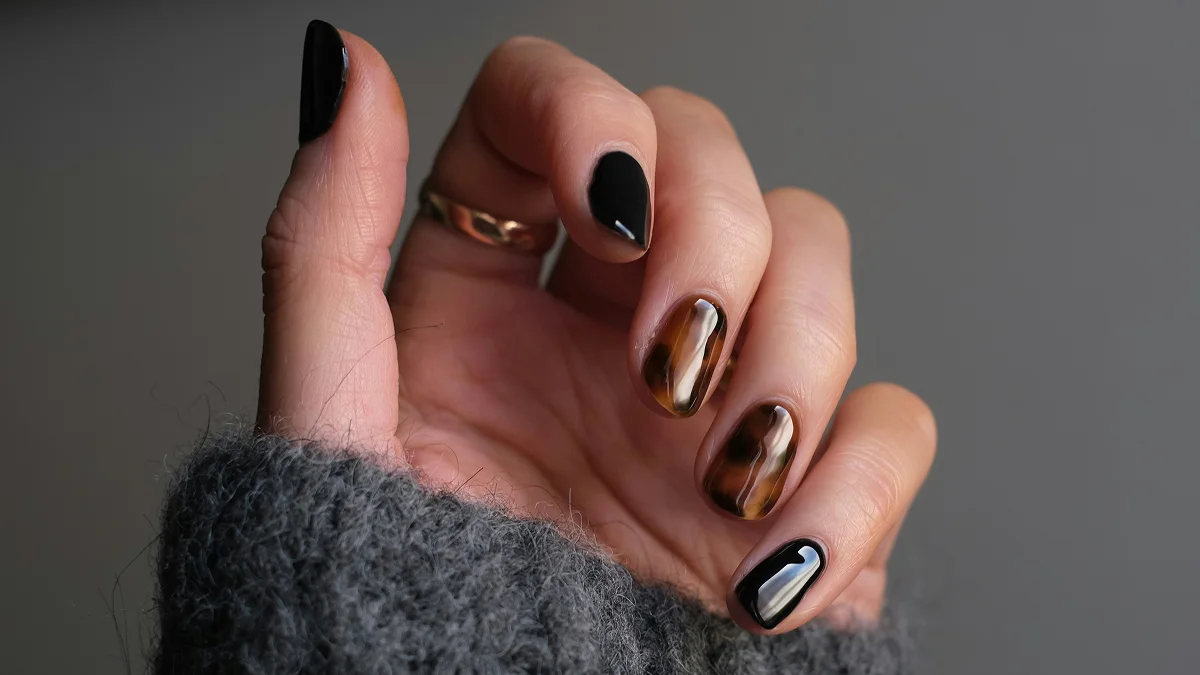
Gel polish is a long-wear nail colour that cures under UV or LED light, forming a chip-resistant, glossy finish. Its acrylic-based formula is thicker than regular polish and often lasts up to 21 days with minimal chipping (yes, even through a post-party washing-up marathon).
What sets gel apart is its buildable, dense formula that reinforces weak nails and allows for extensions. Whilst gel and Shellac share a similar application process, gel’s viscosity and structure give it a different personality entirely.
Types of gel polish explained
Hard gel (the file-off kind) creates strong extensions and builds length for those wanting talons without acrylics. Soft gel, however, is more flexible, ideal for overlays on natural nails that need protection without full armour. Builder gels are thick and perfect for sculpted tips that still move with your natural nail.
How gel polish is applied
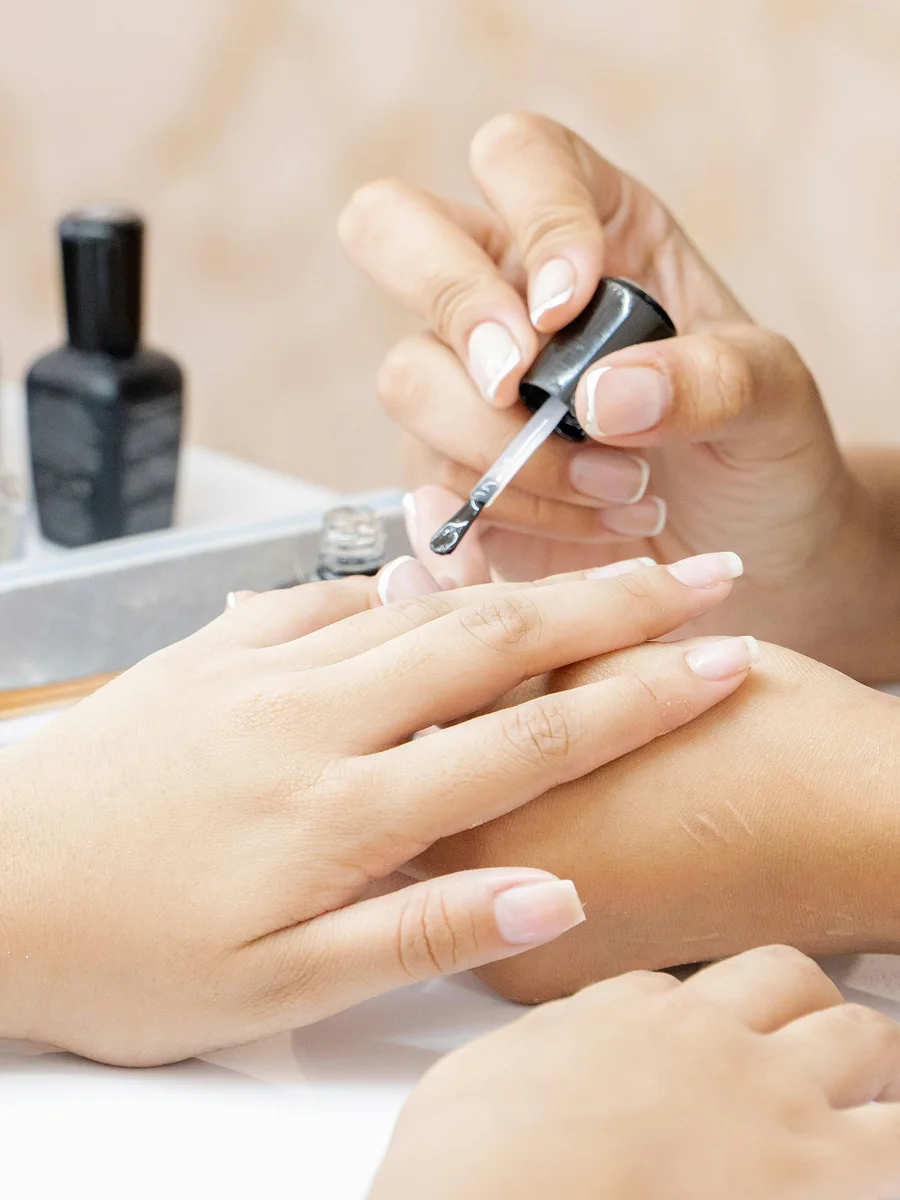
Your nail technician lightly buffs the nail, adds a base coat, applies 2-3 layers of colour (curing each one under an LED or UV lamp), then finishes with a top coat for shine and protection. The whole process takes around 30-45 minutes. There’s a satisfying rhythm to it, and you walk out with nails that look freshly done for weeks.
What is Shellac?
Shellac is a CND-brand hybrid polish that combines gel’s durability with the ease of regular polish. It’s applied in thin layers, cures under a lamp and leaves a glossy, lightweight finish. Shellac is exclusively produced by CND and focuses on colour and shine, not length. When someone says they’re getting “shellac” they might mean any gel polish, but true Shellac is a specific product.
The history of Shellac by CND
Launched as a lighter, easier-to-remove alternative to thick gel, Shellac’s hybrid formula and two-week resistance to chipping quickly made it popular in salons worldwide. It bridges the gap between regular polish that chips within days and gel that lasts for weeks but can feel heavier on the nail.
How Shellac differs from regular nail polish
Shellac offers a flexible, chip-resistant finish that stays shiny for up to two weeks. Its thin application helps natural nails flex whilst maintaining a polished look. Most people can type, text and go about their lives without that slightly odd awareness of having “something” on their nails.
Application and feel: gel vs Shellac side by side
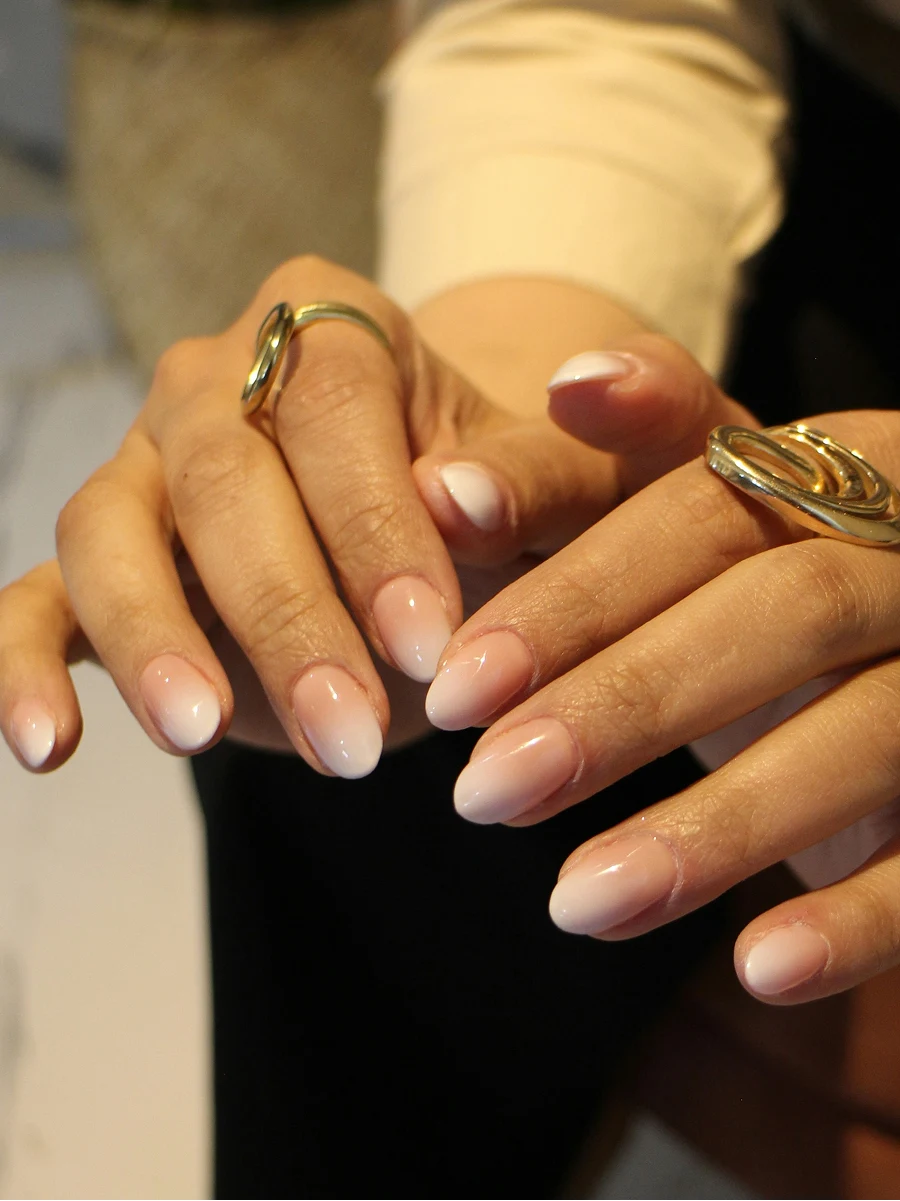
Gel creates a thick, substantial layer that protects brittle nails. Shellac feels weightless and natural, almost like you’re not wearing polish at all. So, while Shellac is like your nails but better, gel is the go-to for reinforcement.
Gel requires more careful layering to prevent bubbles (your technician will know the drill). Shellac’s thinner formula cures a tad faster and is more forgiving during application.
Thickness and texture comparison
Gel’s thicker consistency shields and supports weak nails. If your nails bend like paper or snap at the slightest knock, gel is your friend. Shellac’s thin application suits short or natural nails where flexibility matters, moving with your nail rather than sitting on top.
Professional application
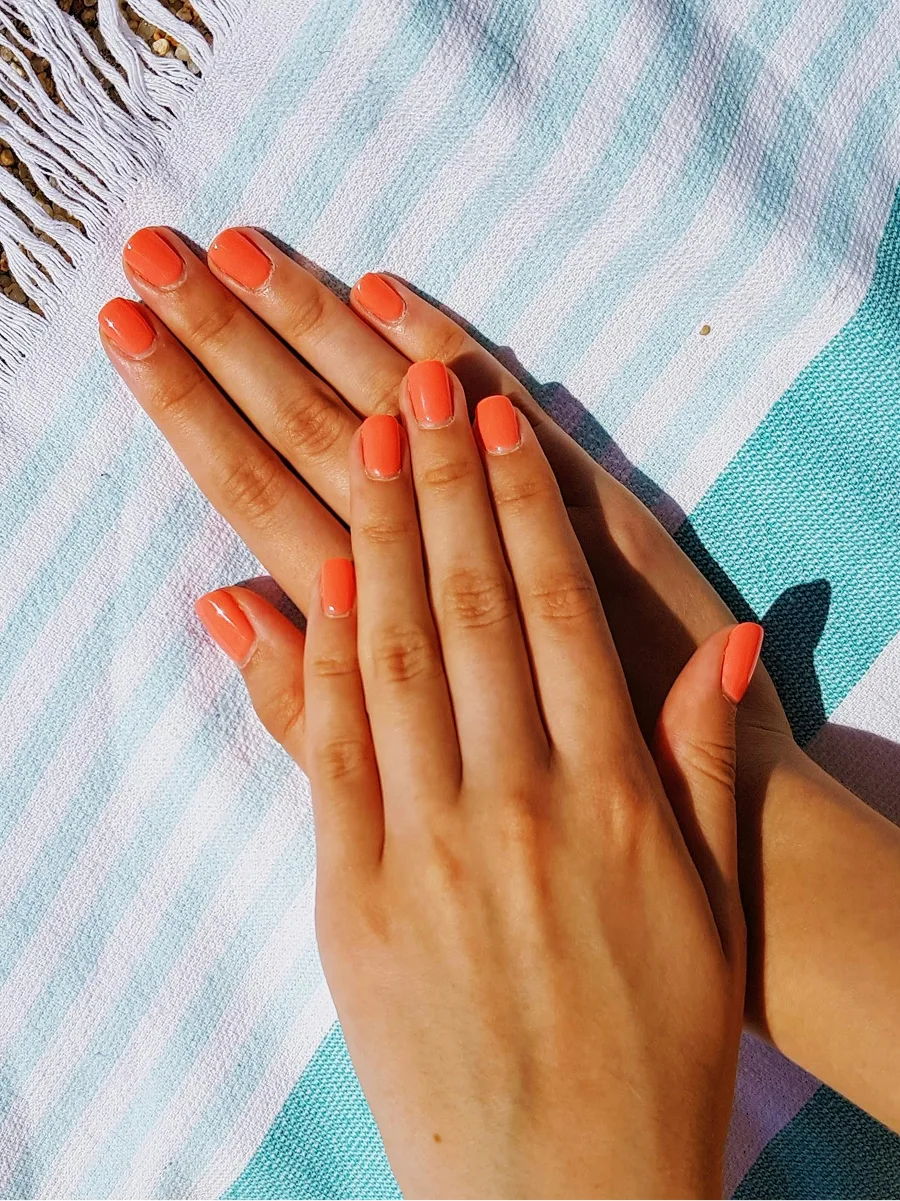
A salon technician is an expert in layering and curing, and this is what makes the difference between a manicure that lasts and one that peels within days. Genuine CND Shellac is salon-exclusive, so if you want the real thing, booking in with a pro is the way to go.
Durability and longevity: which lasts longer?
Gel polish lasts up to three weeks or more with proper care, whilst Shellac typically holds strong for 10-14 days. Gel’s thicker formula offers increased protection and longevity. Shellac may be a touch more sensitive to frequent hand washing or cleaning products, but it often keeps its glossy shine for the full two weeks even with minor wear at the tips.
What affects how long your manicure lasts
Frequent hand washing swells the nails, loosening the adhesion. Meanwhile, cleaning products weaken the bond between polish and nail plate. Daily habits like typing, picking or scratching can also jeopardise your mani. Some people naturally get three weeks from gel whilst others struggle past ten days, and lifestyle is usually the culprit.
Pro tips to extend your manicure’s life
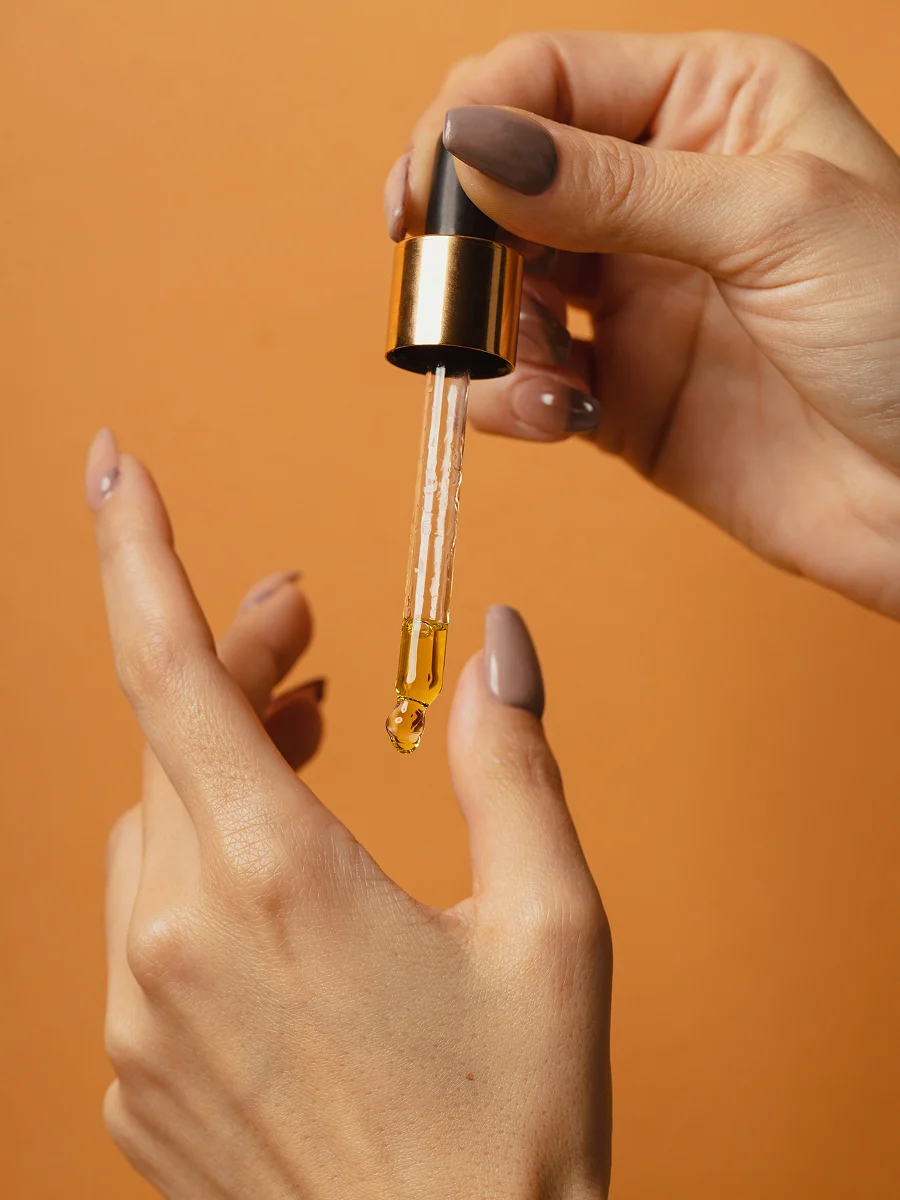
- Apply cuticle oil daily (your nails will thank you).
- Wear gloves for cleaning or washing dishes.
- Avoid hot water straight after application, as your nails need time to fully set.
- Address chips early by patching, because once you start picking it’s game over.
Removal process: gel vs Shellac breakdown
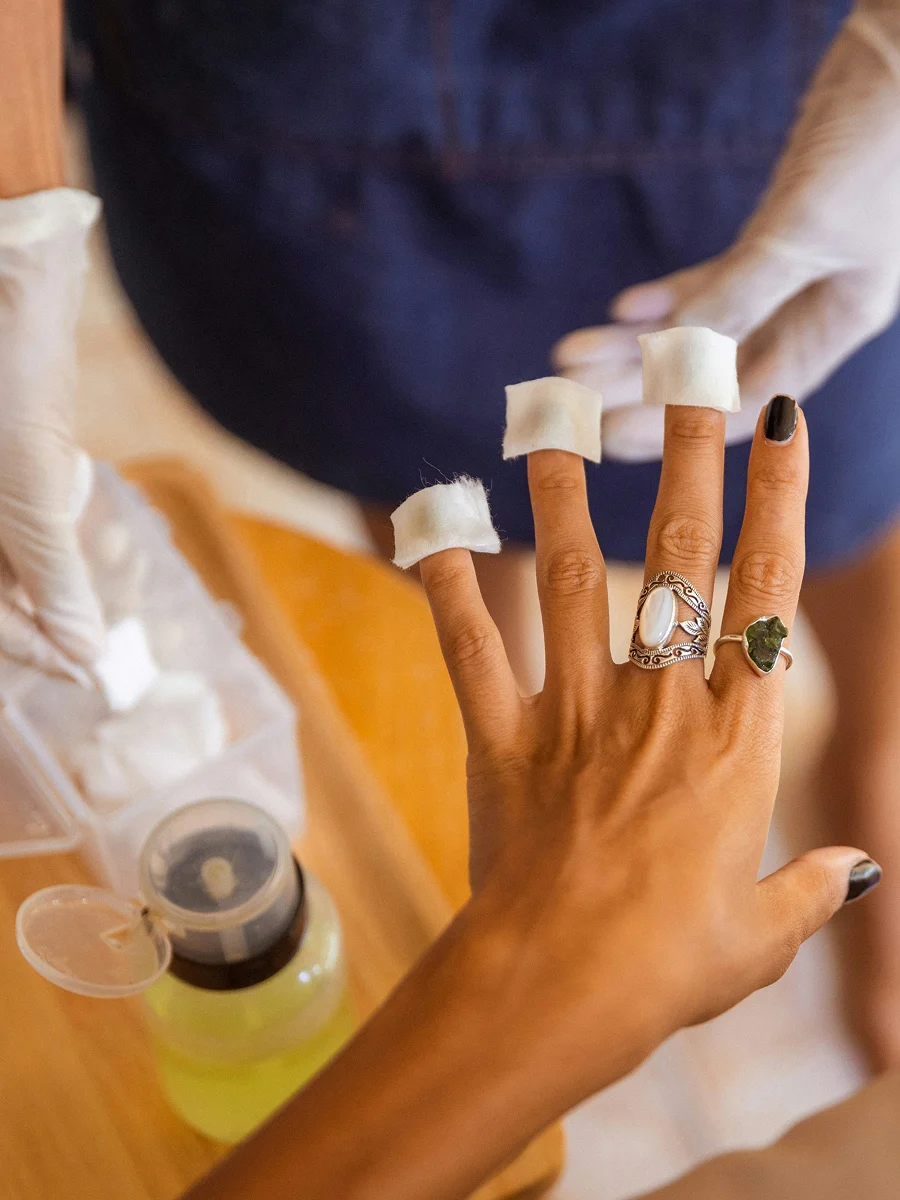
Shellac dissolves in acetone within 5-10 minutes, whilst gel requires surface buffing and can take 15-20 minutes to soak off. Shellac is gentler on nails during removal because there’s less scraping and filing involved, whereas gel’s thicker bond needs extra time and patience.
Some salons charge a small fee for gel or Shellac removal, especially if it wasn’t applied there. Safe removal for both types requires acetone, wraps and a careful approach (rushing the process just damages nails) which is exactly why professional removal is worth it.
Why professional removal matters
It’s possible to remove gel and Shellac at home, but (let’s be honest) a professional can do it better. Most people get impatient, start picking at the edges, and end up peeling off layers of their actual nail along with the polish. A technician knows exactly how long to soak, how much pressure to use and how to keep your natural nails intact. It takes around 20 minutes in the salon and saves you weeks of brittle, damaged nails.
Nail health: which is better for your natural nails?
Both gel and Shellac are safe when applied and removed professionally. Shellac is easier to remove and commonly causes less dehydration, making it the gentler option for people with naturally dry or sensitive nails. Prolonged or improper use of gel, especially builder gels, can thin the natural nail over time. If you notice dryness or brittleness, it’s best to take a break. But ultimately, most nail damage is due to the removal technique rather than the product itself.
UV exposure concerns and safety tips
LED lamps cure polish faster and reduce your UV exposure significantly compared with older UV lamps. Apply broad-spectrum sunscreen to your hands before curing, or use fingerless UV gloves for extra safety. The exposure is minimal, roughly equivalent to a few minutes of sunlight, but a little protection never hurts.
Preventing nail damage and brittleness
- Take occasional breaks between manicures to let nails restore their natural oils.
- Use strengthening treatments containing keratin or calcium.
- Moisturise daily and use cuticle oil.
- Never ever pick or peel polish, no matter how tempting that lifted edge looks.
Which should you choose? Gel vs Shellac decision guide
Your choice depends on lifestyle, budget and how often you fancy a change. Shellac wins for frequent colour swaps and a natural feel. Gel offers durability and protection for your nails. Shellac isn’t ideal for brittle nails needing serious reinforcement, so gel or builder gel works better for adding strength and length. Your nail technician can advise at your appointment based on your nail condition and what you’re after.
Best choice for weak or brittle nails
Gel strengthens and supports brittle nails, acting almost like a protective shield. Shellac provides mild reinforcement but isn’t designed for helping structural weakness. Meaning, if your nails break constantly, gel is your better bet.
Best choice based on your lifestyle
Manual job or frequent hand washing? Gel resists chipping longer and stands up to punishment. Busy schedule with regular colour changes? Shellac removes faster and still looks gorgeous. Prepping for a holiday or a special event? Gel offers lasting shine and durability that won’t let you down.

Cost comparison: gel vs Shellac pricing
Salon prices generally range from €30 to €50 for gel and €30 to €45 for Shellac, though prices in bigger cities can climb higher. Expect to pay more for nail art or intricate designs (so worth it, though). Gel removal may cost an additional €5 to €15, but some salons waive the fee when you’re booking a fresh manicure (another reason to stay on top of your nail schedule).
Is salon-only worth it?
A professional manicure isn’t just about colour on your nails. Your technician preps, shapes and cares for your cuticles before a single drop of polish goes on. The finish lasts longer, looks sharper and your nails stay healthier. It’s the kind of difference you notice the moment you walk out the door.
Can you mix gel and Shellac?
Mixing gel and Shellac is possible but not always recommended. Incompatibilities between formulas can affect curing and removal. Some technicians use a Shellac base for easier soak-off paired with gel colour on top. But it’s best to check with your technician, as getting it wrong means either polish that won’t cure properly or a removal headache.
Expert tips from professional nail technicians
Chat with your technician about your goals and lifestyle before choosing. They’ve seen hundreds of nails and can spot potential issues you’d never notice. Check that your salon uses safe practices and authentic products, and look for cleanliness, proper sterilisation, and recognisable certifications. Once your mani is done, avoid picking at the polish and always use cuticle oil for aftercare.
What to look for in a quality nail salon
Certified technicians with proper training make all the difference. You should see clean, organised workstations, while a display of recognisable brand products suggests the salon invests in quality. Check local reviews and reputation before you book.
Aftercare secrets for longer-lasting manicures
Gentle aftercare preserves your manicure’s shine and keeps nails healthy.
- Apply cuticle oil daily.
- Avoid harsh soaps and chlorinated water where possible.
- Book your next appointment proactively before the chipping starts.
Now you know your gel from your Shellac, and more importantly, which one suits your nails and your life. Whether you’re after three weeks of chip-free colour or a lightweight polish that feels like nothing at all, the right technician will have you sorted in under an hour. Browse nail salons near you on Treatwell, read reviews, compare prices, and book for whenever suits, today, this evening, or the weekend.
Gel vs Shellac: at a glance
| Feature | Gel polish | Shellac | Winner for |
|---|---|---|---|
| Formula type | Pure gel formula | Hybrid of gel & traditional polish | Depends on preference |
| Thickness/feel | Thicker, more robust, can feel heavier | Thinner, lightweight, similar to regular polish | Shellac for natural feel |
| Durability (days) | Up to 21 or more | Approx. 10–14 | Gel for extended wear |
| Removal time | 15–20+ minutes | 5–10 minutes | Shellac for quicker removal |
| Removal difficulty | Requires buffing first | Soaks off more easily | Shellac for easier removal |
| Nail extension capability | Yes, can build or sculpt | No, mainly colour-focused | Gel for adding length |
| Best for weak nails | Adds strength, can use builder gels | Lighter feel, but less structural | Gel for extra reinforcement |
| Average salon cost | ~€30–€50 (plus removal) | ~€30–€45 (plus removal) | Similar, depending on region |
| Impact on nail health | Safe if removed properly | Slightly gentler to remove | Similar, depends on removal |
| Colour/brand variety | Hundreds of brand options | Around 200 official CND Shellac colours | Gel for broader colour selection |
FAQs
Shellac is a specific CND-branded hybrid. All Shellac is gel polish, but not all gel polish is Shellac, though salons often use the terms interchangeably.
Gel typically gives you three weeks while Shellac lasts about two weeks. Gel’s thickness makes it more chip-resistant for hands-on lifestyles.
It’s possible with acetone and patience, but professional removal is gentler and safer. If you do it yourself, never pick or peel. Moisturise thoroughly afterwards.
Usually poor nail prep, over-thick layers or water exposure before the polish has fully cured. Proper application technique prevents most peeling issues.
No, Shellac is colour-only. You’ll need gel or builder gel to create actual length.
Both cost around €30–€50, with Shellac sometimes slightly cheaper. Removal, nail art and location affect the final price.