
You’ve been eyeing up that helix hoop for weeks. Or maybe you’ve just discovered that a “curated ear” is a thing, and now you want seven piercings by Friday (it’s a vibe). Whether you’re planning your very first lobe piercing or adding to an already impressive collection, there’s a lot to think about, from placement and healing times to choosing the right studio and jewellery. The good news? We’ve done the research so you don’t have to.
What is ear piercing?
Ear piercing creates a tiny hole in the lobe or cartilage for styling with jewellery. It’s an adornment that holds cultural significance across many societies, including ritual and aesthetic expression. These days, modern techniques prioritise hygienic methods and quick healing, and professional piercers use sterile needles or devices for accuracy and minimal complications.
Your ear anatomy matters more than you might think. The soft tissue of your lobe heals quickly and tolerates most jewellery styles, making it ideal for first-timers. Cartilage areas, including the helix, tragus, conch, and more, are denser and less forgiving. That means slower healing and a higher chance of complications if aftercare slips (even a little). Knowing where you want your piercing helps you understand what you’re in for before you book.
Types of ear piercings
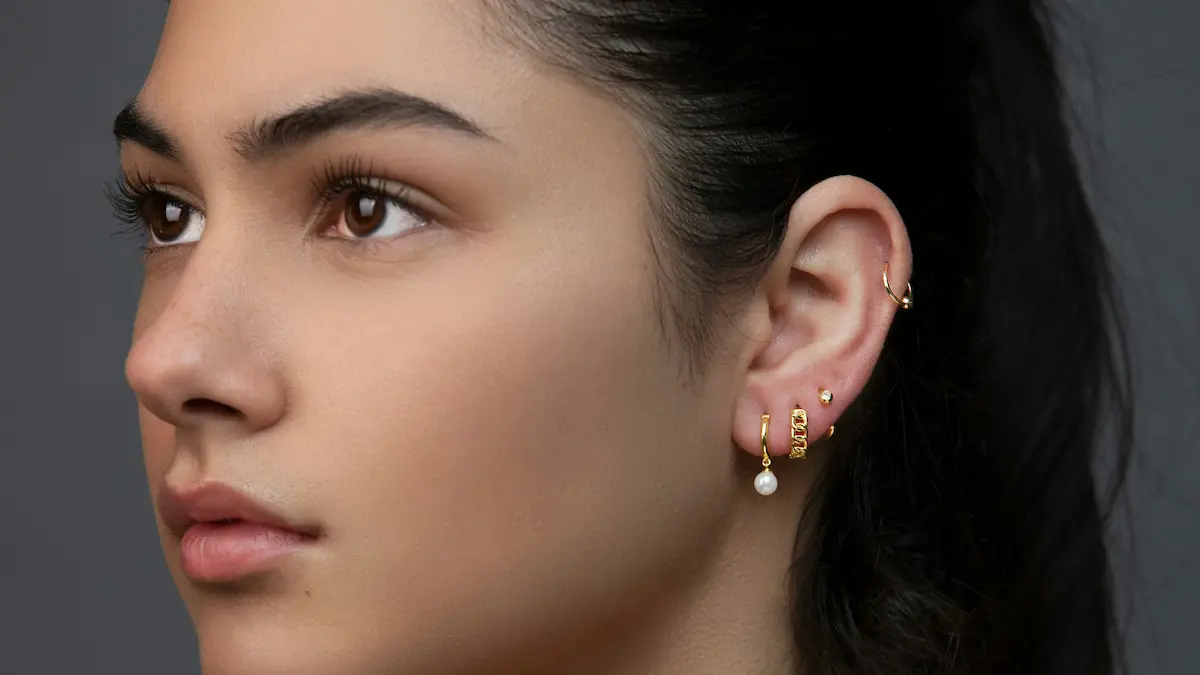
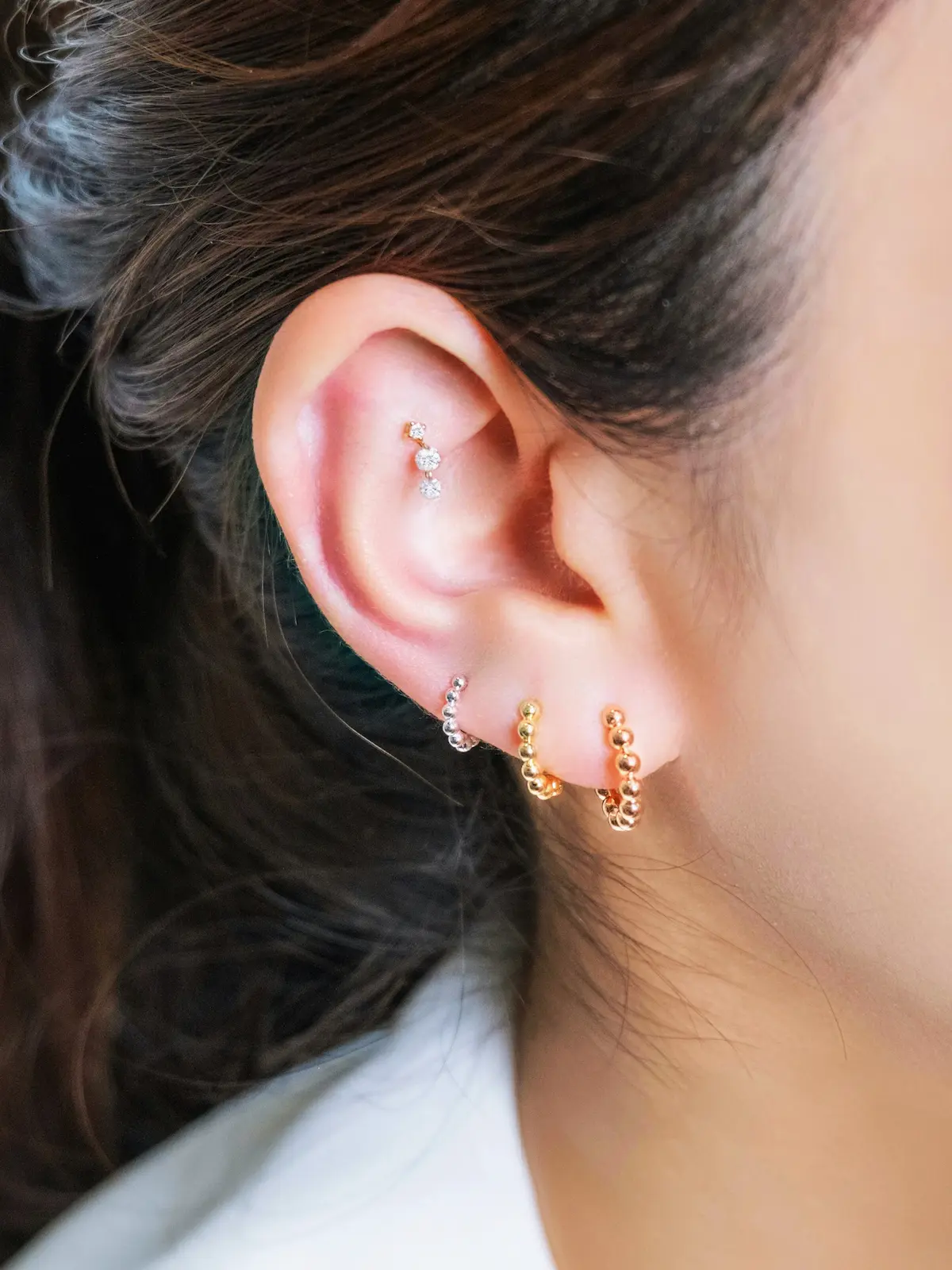
Ear piercings range from classic lobe studs to intricate cartilage arrangements. Curated multi-piercing looks let you completely customise your style (and that’s a jewellery party everyone wants to be at).
Lobe piercings
Standard lobe piercings are quick and relatively pain-free, usually healing in six to eight weeks. Upper or stacked lobe piercings are a fun way to add variety. Think of them as the foundation of any curated ear project.

Cartilage piercings
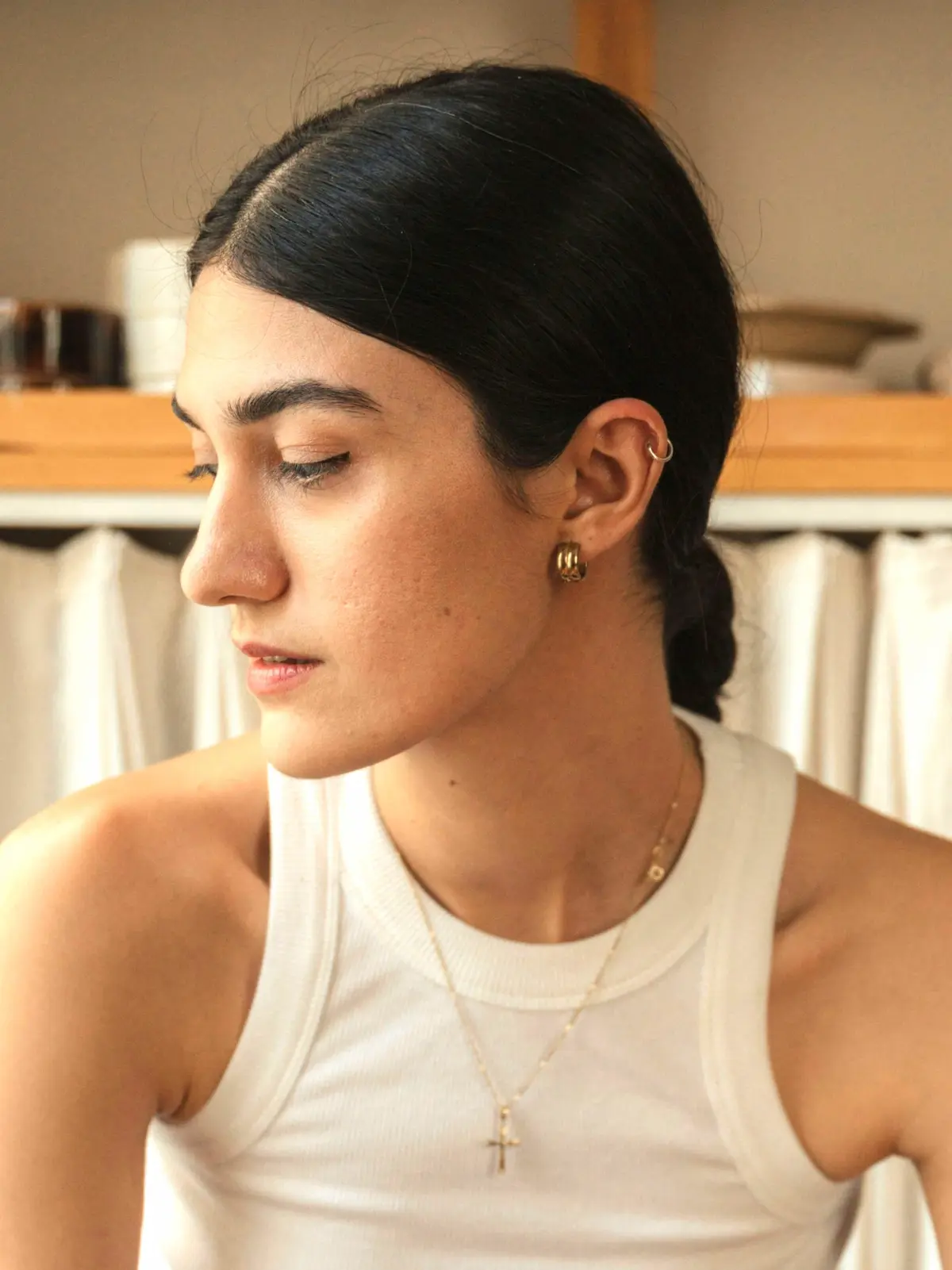
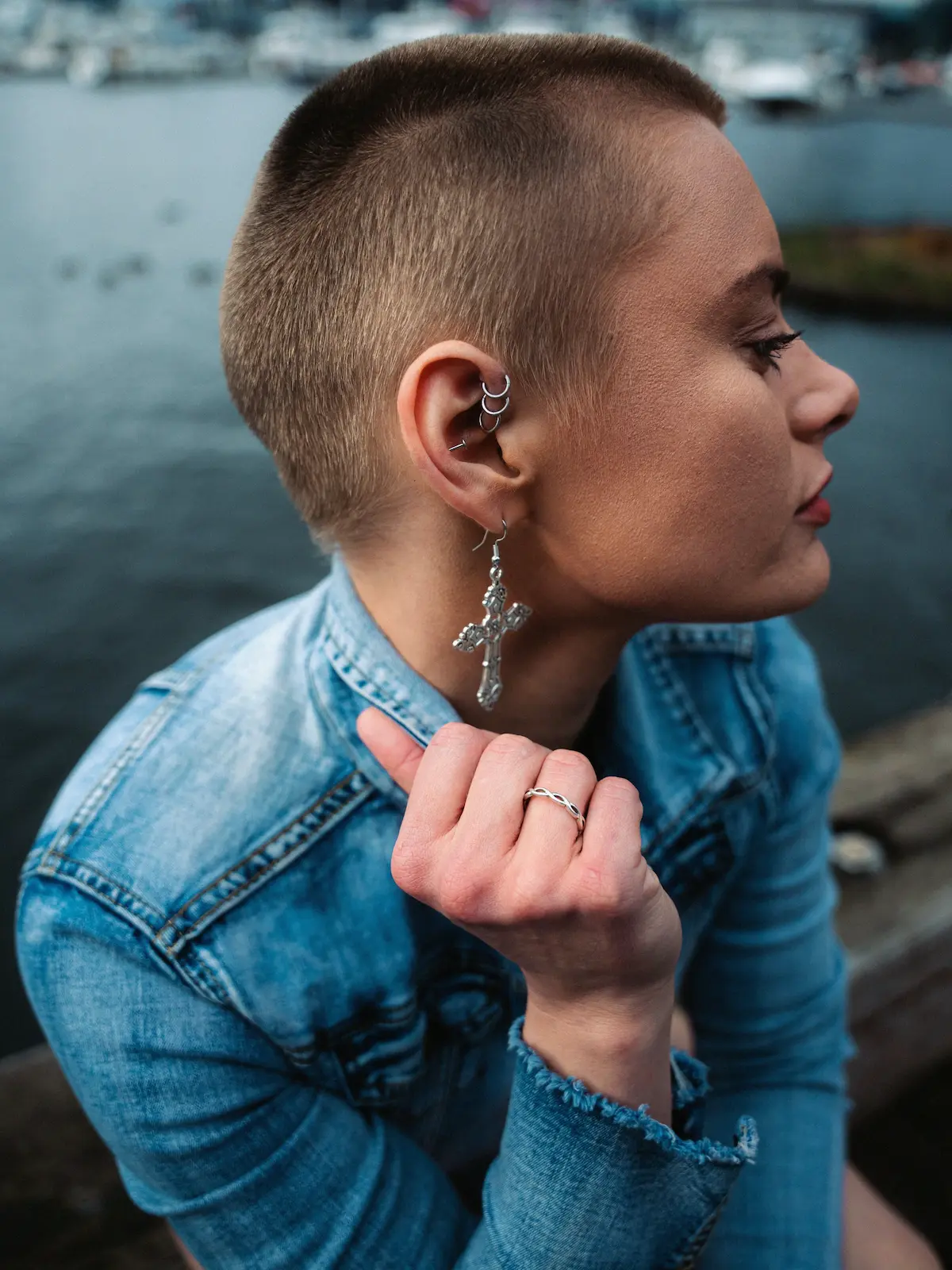
Cartilage piercings open up a world of creative possibilities. The helix runs along your outer ear rim and works gorgeously for studs or small hoops. The tragus sits in front of your ear canal, small but impactful. The conch (inner shell of your ear), daith (the fold just above your ear canal) and rook (the ridge above your daith) each offer unique angles and opportunities for self-expression.
Here’s the thing most people underestimate: cartilage healing times. That helix piercing might look healed after two months, but internally it’s still knitting together. Rush a jewellery change and you’ll set yourself back weeks. Using needles is the gold standard for cartilage piercings because they create a cleaner channel with less trauma than piercing devices.
Advanced and specialty piercings
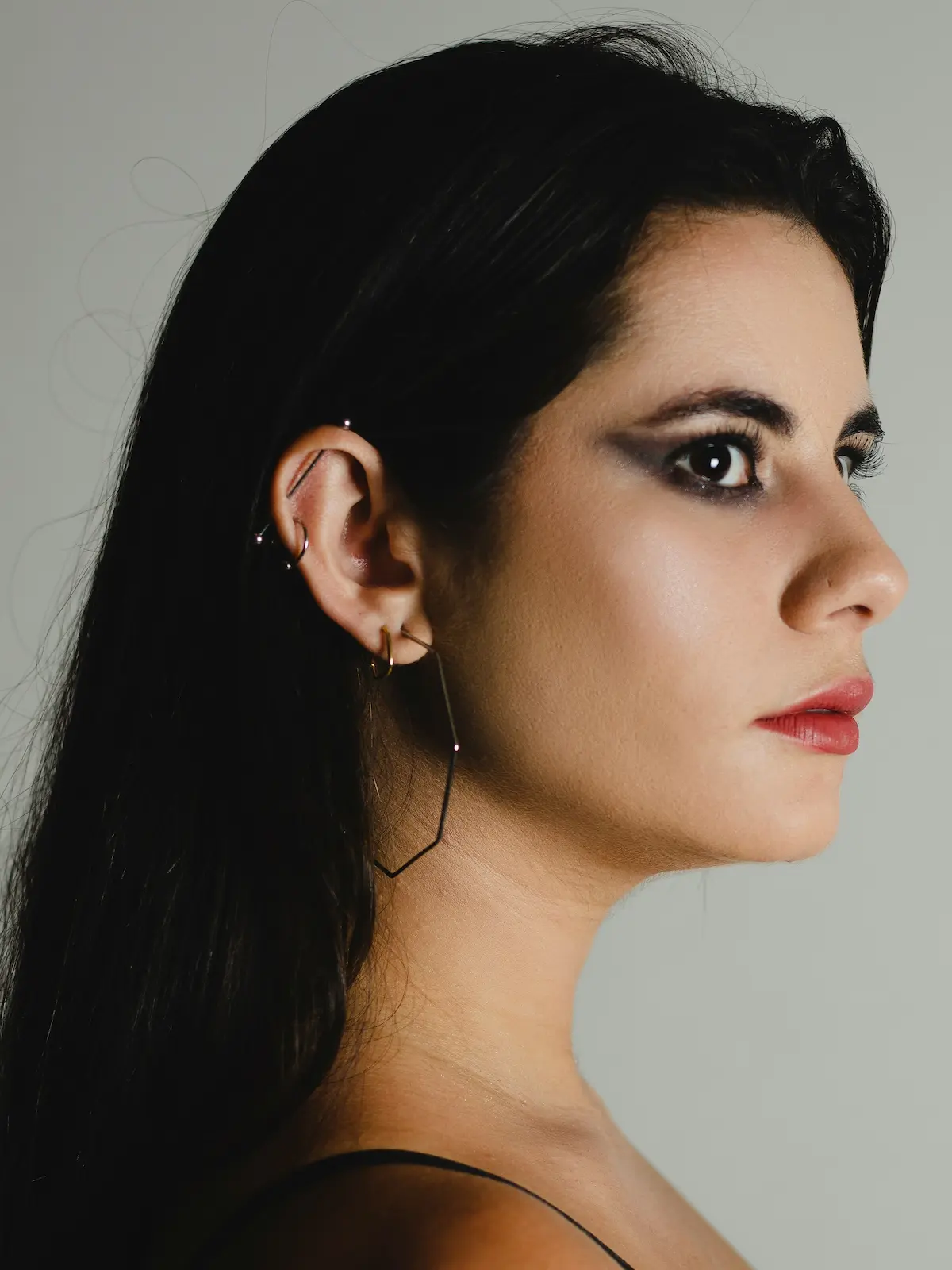
The industrial (or scaffold) piercing connects two upper ear holes with a single barbell, creating an edgy, geometric look. Orbitals are a ring threaded through two adjacent piercings for a similar effect with more flexibility. Curated ears involve multiple planned piercings across different areas, adorned with varied jewellery sizes and metals for that editorial, ear party effect. Making a plan with your piercer will help you achieve your desired look while ensuring everything heals well.
Needle vs. device piercing: which is right for you?
Needles win for cartilage, full stop. A hollow needle removes a tiny core of tissue rather than forcing it aside, which means less swelling and faster healing. Device (gun) piercing pushes a stud through the tissue. This works adequately for lobes, and can be better for young children because the speed of the process keeps anxiety levels lower.
Advantages of needle piercing
Needles create cleaner punctures with minimal trauma and carry a lower infection risk thanks to proper sterilisation. This style of piercing also works with more jewellery options, like flat-back labrets, which are more comfortable to wear and sleep in, and threadless pieces, which are push-in rather than screw-in (much less fiddly). Most professional studios won’t even offer device piercings anymore, and there’s a reason for that.
When device piercing may be appropriate
Devices still have their place for lobe piercings in young children, where the quick approach can reduce stress. Some contemporary devices use sharper, individually packaged studs that are less traumatic than older models. Still, they’re unsuitable for cartilage and when you need precision placement.
How to choose a reputable ear piercing provider
Deciding on your ear piercing provider matters far more than price or convenience. Certified piercers follow strict hygiene practices, including a clean studio, sterile needles or cartridges and clear aftercare instructions. And ignore any advice about rotating your jewellery during healing. That’s outdated. Always check reviews, qualifications and visible sterilisation practices before you book.
Medical office piercing
Medical professionals use hospital-grade sterilisation, making this route ideal for anyone with health concerns or for infants and young children. The clinical environment also means immediate medical support if complications arise.
Professional piercing studios
Studios, particularly those with APP (Association of Professional Piercers) members on staff, provide a broad range of placement options and top-grade metals. They’re ideal for more complex piercings and anyone building a curated ear. Experienced piercers can visualise how multiple piercings work together, accounting for jewellery sizes and your natural ear shape.
Retail locations
For standard lobe piercings, retail outlets are a convenient option, but it’s best to confirm the level of staff training and hygiene practices before you commit. Not all locations maintain the same standards (some are excellent, others cut corners).
Ear piercing safety: sterilisation, equipment and jewellery standards
Using high-quality jewellery and sterilisation methods reduces the risk of infection and allergy significantly. Autoclaves (machines that sterilise equipment using pressurised steam) and jewellery made with safe metals are essential.
Implant-grade titanium (ASTM F136) is the safest bet for fresh piercings, it’s hypoallergenic, lightweight and available in various colours through anodising. Niobium offers another hypoallergenic option with gorgeous colour potential, and surgical steel (ASTM F138) works for most people, though it contains trace nickel. Solid 14 karat gold (or higher) is stunning but pricier; anything less than 14k contains too many alloys that can irritate tissue during healing.
Before your appointment, know what to look for. Your provider should wash their hands and use fresh gloves. Needles should have intact sterile seals. Surfaces should be cleaned between clients. Aftercare should be explained clearly. If hygiene standards look questionable, walk out. It’s not worth the risk.
Ear piercing age requirements and guidelines for children
Regulations vary, but most piercers require infants to be at least two to three months old and fully vaccinated, under-16s need parental consent, and over-16s will be asked for ID. Limiting piercings per session is also recommended (one piercing is plenty for a child to manage).
Piercing infants and young children
Infants may be pierced in a medical office with a device for speed and safety. The timing is down to parental preference. Some families wait until a child can request the piercing themselves, whilst others pierce in infancy as a cultural tradition.
Older children and teens
Children from age five can often tolerate needle piercings if calm and prepared (but you know your own child). Cartilage piercings are commonly allowed from 13 onwards, though maturity matters more than age. Can they handle the longer healing time and resist touching the piercing? Reputable studios will require ID and a parent or carer to be present.
Ear piercing aftercare: complete healing guide
Effective aftercare prevents infection and supports healing, and it’s where most people go wrong (trust us, keeping your hands away from a new piercing is harder than it sounds). But the advice is simpler than you’d think: clean with sterile saline or wound wash two to three times per day, and otherwise leave it alone. Avoid touching with unwashed hands and ignore any advice about twisting jewellery. Rotation irritates the wound and introduces bacteria.
Your daily cleaning routine is refreshingly simple:
- Rinse gently with sterile saline solution two to three times a day
- Use clean gauze to remove any crusties (don’t pick at them, we know it’s tempting)
- Don’t twist the jewellery
During healing, avoid:
- Touching your piercing with dirty hands
- Swimming in pools, lakes or hot tubs (all bacteria havens)
- Getting makeup or hair products near the site
- Sleeping on the new piercing
- Changing jewellery early
You’ll likely get mild clear or slightly yellow discharge in the first few weeks. If you have persistent redness, warmth radiating from the site, thick or smelly discharge, or increasing pain, then this suggests infection. Seek professional help, don’t try to treat it yourself. Remember, it’s a small wound, but consistent care without overdoing it will ensure it heals well.

Ear piercing healing times: what to expect by piercing type
Every piercing heals at its own pace, and patience is everything here. Lobe piercings typically heal in six to eight weeks on the surface, though full internal healing takes three to six months. Cartilage piercings require six to twelve months or longer. Consistent aftercare and quality jewellery help speed up recovery, whereas (you guessed it) cheap metals and inconsistent cleaning slow it down.
Here’s a rough guide to healing times:
- Lobe piercings: 6–8 weeks surface healing, up to 3–6 months for complete internal healing
- Helix and other cartilage: 6–12 months
- Tragus: 6–12 months
- Daith: 9–12 months
- Industrial: 9–12 months or more, due to the complexity of two connected holes
Your health, aftercare consistency, jewellery quality and lifestyle all influence how quickly your piercing will heal. Poor sleep, high stress or underlying health conditions can slow tissue repair. And snagging your piercing on clothes or hair? That sets you back weeks (eek).
Ear piercing jewellery guide: styles, materials and sizing
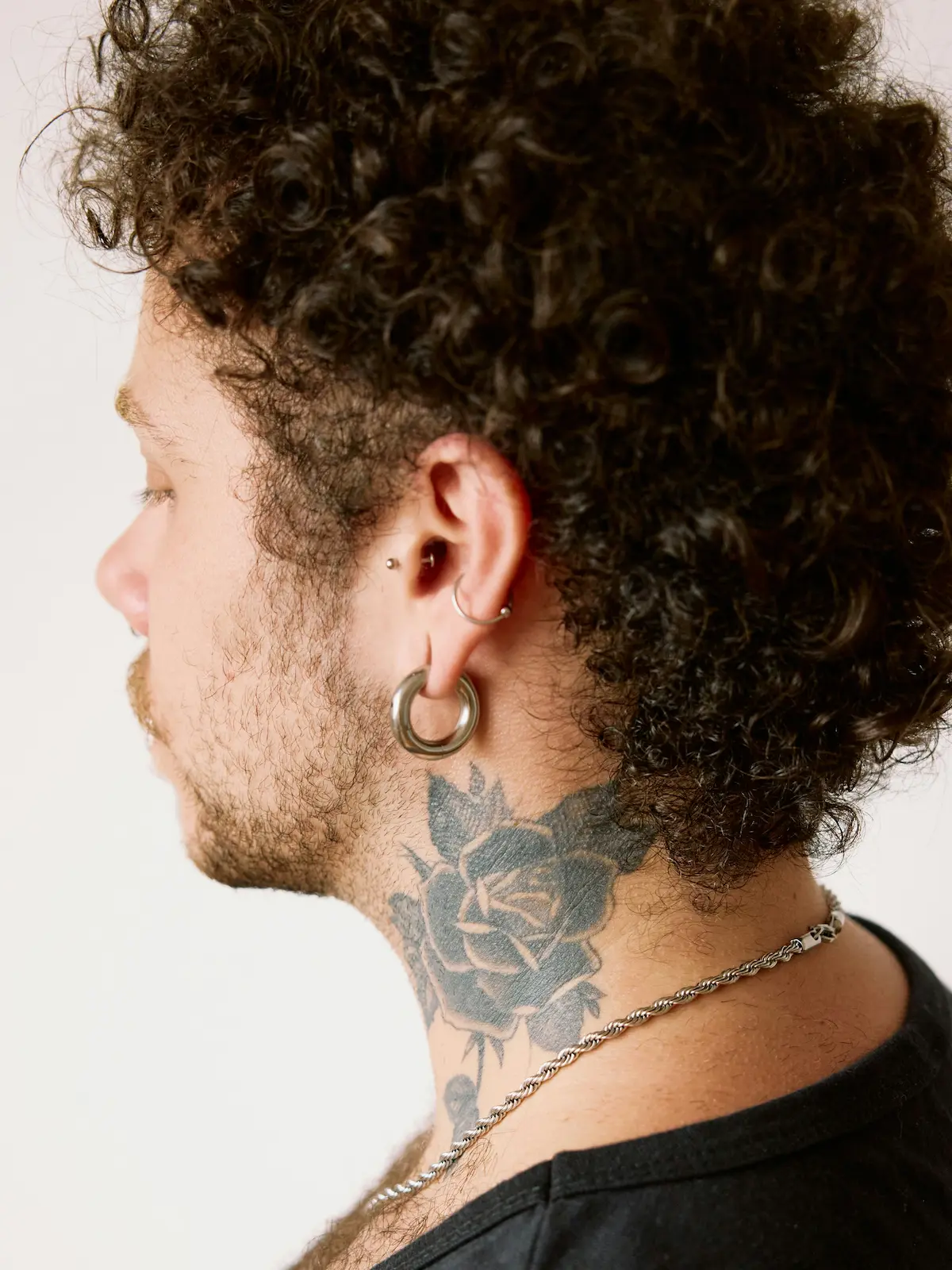
Initial piercing jewellery is designed with longer posts and flat backs. These designs prevent pressure on delicate tissue whilst allowing room for swelling, and your healing journey will be easier and more comfortable. Trying to start with tight-fitting jewellery is a recipe for a very uncomfortable first week. Most professional studios use flat-back labrets for almost everything now (they’re comfortable, secure, and don’t catch on things).
When healed, the real fun starts. Try huggies (small snug hoops), clickers (hinged rings), barbells for industrial piercings, or glass options for stretched lobes. The safest choice is to stick to solid gold or implant-grade metals, even when healed. Plated jewellery can wear off exposing base metals that can cause reactions, so be cautious when filling your jewellery box.
Ear piercing cost: what to expect and what’s worth paying for
A cheap piercing that gets infected ends up costing far more in the long run. Investing in a reputable studio is a wise move. Some locations bundle jewellery and service, whilst others separate costs.
Here’s what you can expect to pay:
- Retail outlets: €15–40, usually including device piercing and basic studs
- Professional studios: €25–80 or more, with pricing reflecting jewellery quality and technique
- Medical offices: €40–120, accounting for sterilisation standards and medical expertise
The price reflects safety standards and overall experience. You’re paying for expertise, sterile environments and quality materials. Worth every penny.
Now you’ve got the full picture, from piercing types and safety standards to healing times and jewellery choices. The right piercer makes all the difference. Someone who takes the time to understand your ear anatomy, recommends the best placement, and uses top-quality materials. Browse studios near you on Treatwell, read reviews, compare prices and book for whenever suits. Today, this evening, the weekend. Your new jewellery is waiting.
FAQs
How long does it take for an ear piercing to heal?
Lobes heal in 6–8 weeks, cartilage takes 6–12 months. But “looking healed” and “actually healed” are different things, so don’t rush jewellery changes.
Does ear piercing hurt?
Lobes feel like a quick pinch. Cartilage is more intense but brief, think firm pressure followed by a sting. Most people find it less painful than expected.
What should I avoid after getting my ears pierced?
No touching with dirty hands, swimming, sleeping on it, or changing jewellery early. Leave it alone except for cleaning.
Can I get multiple ear piercings at once?
Yes, but limit yourself to 3–4 maximum. More than that makes aftercare overwhelming and healing harder.
How do I know if my ear piercing is infected?
Persistent redness, warmth, thick discharge, or pain that worsens beyond the first week indicates infection. Clear fluid and some tenderness early on is normal healing.
When can I change my earrings after getting pierced?
Wait until it’s fully healed: 6–8 weeks minimum for lobes, up to a year for cartilage. Going early risks irritation and starting the healing process over.