
If your goal is to melt away stress with gentle strokes, go Swedish; if you need to fix “tech-neck” and improve flexibility through active movement, Thai is your winner.

Your body has been carrying a lot lately. The back-to-back meetings. The commute. The mental load that somehow follows you into the weekend. At some point, ‘I’ll sort it later’ stops working, and what you actually need is an hour where someone else takes over completely.
The question is just what kind of take-over you’re after.
Swedish massage says: lie down, breathe, let go. Thai massage says: let’s get you moving again. Both are right. Both work. And knowing the difference means you stop booking at random and start booking what your body is actually asking for.
Swedish vs Thai: a quick side-by-side comparison
Swedish massage uses oil-based, flowing strokes for relaxation and muscle relief, rooted in Western anatomy. It’s your permission slip to do absolutely nothing for an hour, just show up and surrender. Thai massage draws on Eastern philosophies, energy lines (Sen), and assisted stretching, performed clothed on a floor mat. Swedish is passive, focusing on comfort and tranquillity; Thai is active, collaborative, and occasionally surprising. Your therapist moves your body through stretches and compressions that your joints have probably forgotten were possible. Think yoga, but someone else does the work.
Swedish features soothing pressure and oil application; Thai skips oils entirely and requires your participation in multiple stretch positions. Swedish targets muscle relaxation and circulation, whilst Thai addresses energy flow and flexibility. Both aim for well-being through distinct approaches. Same destination, completely different journey. The trick is knowing which one your body needs right now.
Understanding the philosophical roots
Swedish massage is built on Western science, emphasising muscle groups and blood flow to reduce tension. It looks at your body the way a good mechanic looks at an engine: what’s tight, what’s blocked, what needs releasing. Since it’s anatomically minded, it focuses on what you can see and measure: muscle fibres, circulation, physical knots. Thai massage believes in balancing Sen energy lines through pressure and stretches, focusing on holistic healing aka removing that low-level exhaustion you can’t quite explain. Whether you’re into the philosophy or not, the physical results speak for themselves.
Swedish massage generally uses gentle to moderate pressure; Thai massage is medium to intense depending on practitioner and client needs. If Swedish is like a mechanics workshop for your body, Thai is more like feng shui. Two very different maps of the human body. Both lead somewhere good.
Swedish massage techniques explained
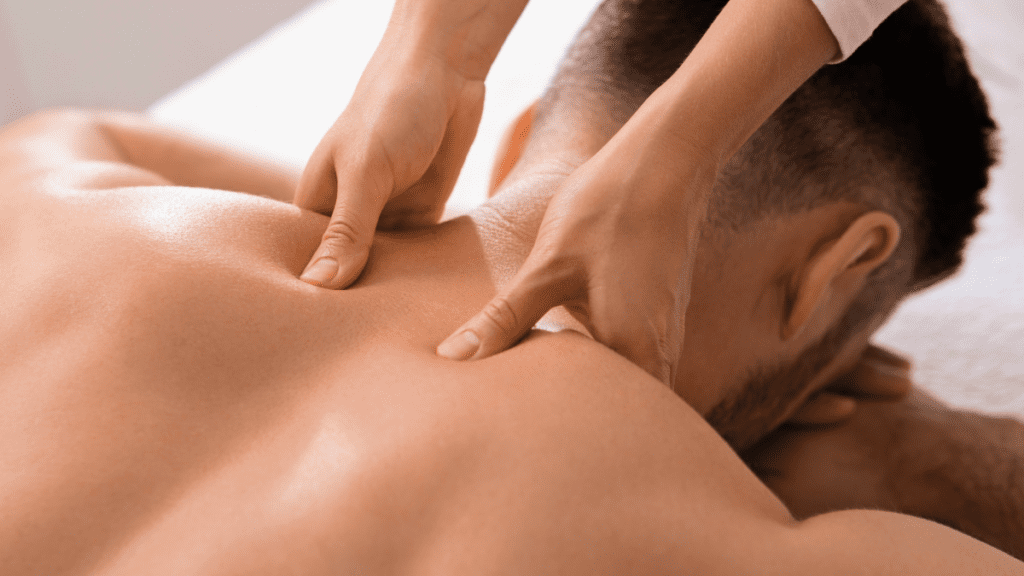
The five classic Swedish massage strokes
Swedish massage relies on five main techniques woven throughout the session. Effleurage uses long, gliding strokes with warm oil to relax muscle. This is how sessions typically begin and end. Petrissage involves kneading motions to release deeper tension and boost circulation, particularly effective on shoulders and thighs. Tapotement is rhythmic tapping for invigoration, though some therapists skip this for pure relaxation. Friction applies focused, circular pressure on problem areas like that stubborn knot between your shoulder blades. Vibration uses shaking or trembling movements to relax muscles and encourage drainage.
You can choose light to firmer pressure, just communicate what feels good. Most people find their preference changes depending on stress levels and activity.
What to expect during a Swedish massage session
After a brief consultation about injuries or sensitive areas, you’ll undress to your comfort level, lie on a padded table, and be draped for privacy. The therapist applies oil and uses slow strokes to ease muscles, working methodically through different areas. Communication on pressure is encouraged: most therapists would rather you speak up than spend the hour gritting your teeth. Afterwards, clients often feel deeply relaxed, occasionally lightheaded from improved circulation. Drinking water and resting is recommended, though don’t be surprised if you’re ready for a nap.
Thai massage techniques explained
Understanding Sen energy lines
Thai massage is based on Sen energy lines, similar to Chinese meridians but with distinctly Thai characteristics. Practitioners focus on ten main lines running throughout the body, applying pressure to release tension, boost circulation, and restore energy flow. This addresses blockages that can cause pain or fatigue. Whether you buy into the energy theory or not, the physical manipulation of these pathways affects muscle tension and mobility.
What to expect during a Thai massage session
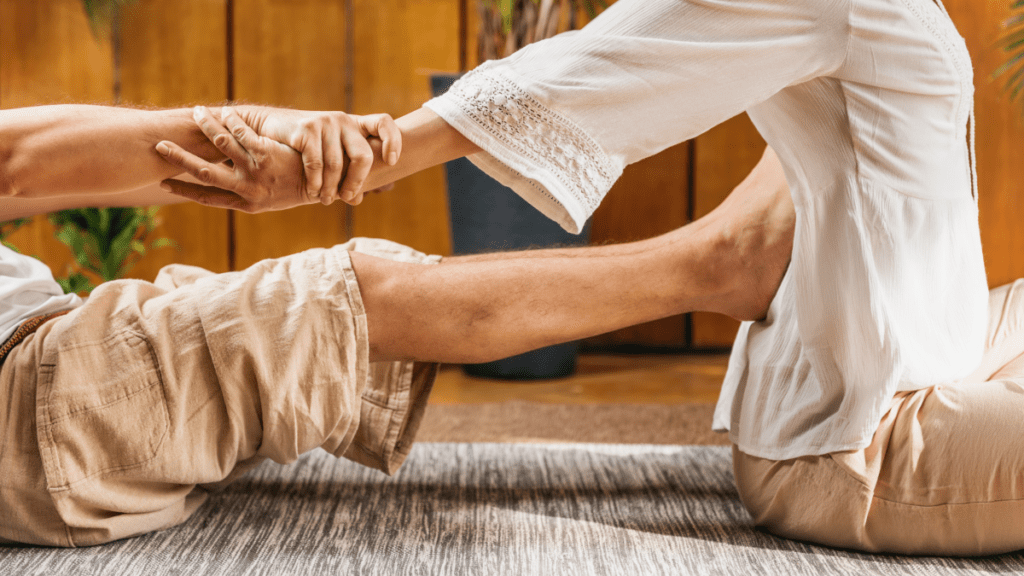
Sessions take place on a firm floor mat, fully clothed, no awkward undressing required. Therapists guide you through stretches and compressions, moving your body into yoga-like positions whilst using their hands, knees, elbows, and even feet for leverage. Sessions last 90 to 120 minutes, with pressure adjusted to your comfort. The experience is active, collaborative, and energising. Don’t worry if you’re not flexible: your therapist will work with what you’ve got. Most people are surprised by how much further they can stretch when someone else does the work.
Benefits of Swedish massage
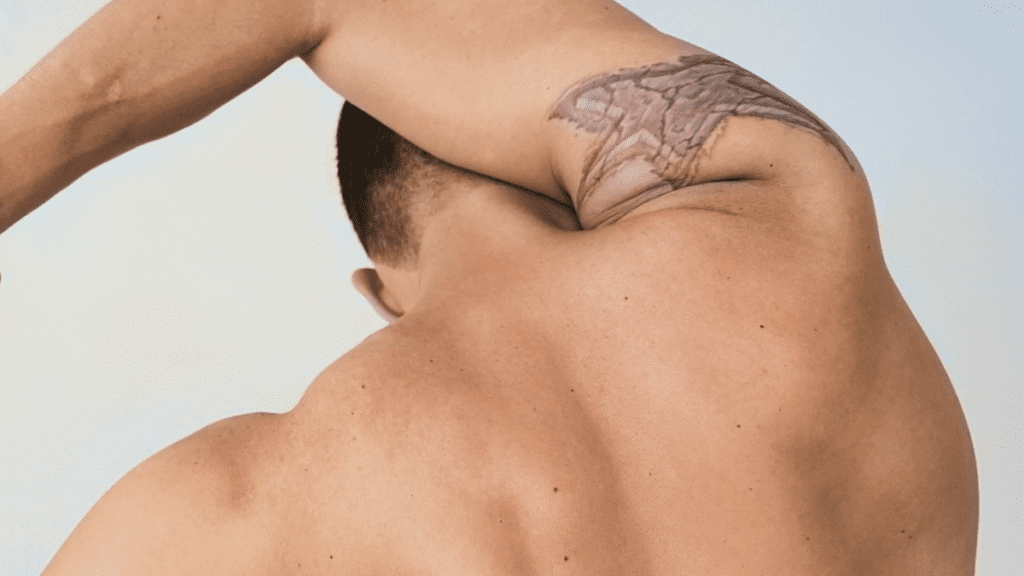
Physical health benefits
Swedish massage promotes deep relaxation whilst relieving muscle tension, improving blood circulation, and encouraging lymphatic drainage, giving your body permission to stop bracing. The long, flowing strokes push blood through congested areas, which is why skin looks flushed during treatment. Those are the areas that have been holding tension for weeks. Your neck. Your shoulders. That spot between your shoulder blades you’ve been ignoring since January. Regular sessions help with chronic pain, stress recovery, and gentle flexibility. Think of it as a reset button for your body, particularly effective if you’ve been holding tension for weeks, the kind of stiffness that builds up so gradually you stop noticing it.
Mental and emotional benefits
Swedish massage reduces stress and some studies suggest it may help balance stress-related hormones like cortisol, serotonin, and dopamine, which is the science version of saying: you’ll probably feel more like yourself afterwards. The physical benefits are real, but the mental ones might surprise you more. Better sleep. A quieter head. An hour where your to-do list genuinely doesn’t exist. This technique is ideal for stress management and accessible to most people.
Benefits of Thai massage
Flexibility and mobility benefits
Thai massage significantly improves flexibility and range of motion through stretches, compression, and manipulation. Perfect if you’ve been hunched over a desk all week or dealing with postural issues that traditional massage doesn’t reach. It relieves stiffness and helps lubricate joints, with many people noticing they can touch their toes properly for the first time in years after a few sessions.
Energy and vitality benefits
Thai massage boosts energy and reduces fatigue by clearing blockages along Sen lines. People often feel both relaxed and invigorated after a session, a mix of calm and buzz quite different from the drowsy bliss of Swedish massage. Regular treatments can enhance posture and vitality. Sceptics can at least appreciate the very real physical benefits of improved circulation and mobility.
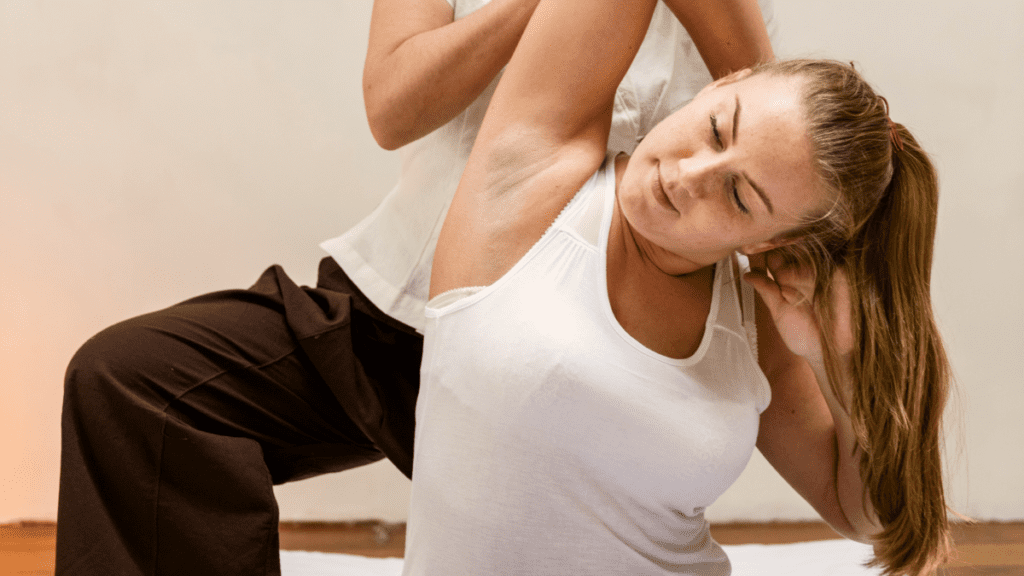
Setting, clothing & what to expect: Swedish vs Thai
Swedish massage is given in a tranquil room on a padded table, usually with soft lighting and gentle music. You undress to your comfort level and are covered for modesty throughout. Hydration and light stretching beforehand can maximise relaxation. Communication with your therapist about preferences ensures comfort, and most will check in about pressure levels as they work.
Thai massage occurs on a floor mat, fully clothed in loose attire, think comfy yoga gear. You’ll be moved into different stretching positions, with your therapist guiding everything whilst maintaining their own balance and leverage. Avoid heavy meals before the session and wear comfortable fabrics that won’t restrict movement. Since no oils are used, you can pop straight back to daily activities after. The floor-based approach also means your therapist can use their body weight more effectively, achieving deeper stretches without excessive effort.
Which massage is right for you? A decision guide
Best choice by goal
Swedish massage is best for easing stress, tension, and anxiety, particularly if you want to switch off completely. Choose Thai for deep stretches, flexibility, and an active experience, one that makes you feel like your body actually works again. For muscle recovery, pick Swedish for pure relaxation or Thai for dynamic stretch and mobility work. Beginners and those sensitive to pressure usually start with Swedish; Thai suits those seeking correction of stiffness or posture issues who don’t mind intensity.
It’s that simple, and also not that simple, because sometimes what you think you need and what your body needs are two different things. If you’re exhausted, stressed, and running on empty, lie down and let Swedish do its thing. If you’re stiff, sluggish, and haven’t moved properly in weeks, Thai will take you somewhere Swedish can’t.
Best choice by lifestyle
Athletes and those with physical routines may benefit more from Thai massage’s flexibility improvements and its ability to work deeply into connective tissue. Desk workers and high-stress clients often find Swedish massage most helpful for unwinding accumulated tension. Yoga fans typically adore Thai massage for its similarities to assisted yoga with someone who actually knows what they’re doing, while Swedish is gentler for first-timers unsure what to expect from bodywork. Either way, you’re choosing yourself. That’s already the right call.
Never had a massage before? Start with Swedish. You show up, you receive, you leave feeling better. No experience required. Already a regular and chasing something deeper? Thai will challenge your body in ways that feel genuinely useful.
Swedish vs Thai massage for specific conditions
Contraindications and safety considerations
Let your therapist know about any health conditions before a Swedish massage, including skin issues, circulatory problems, or allergies to oils or lotions. Thai massage is not recommended for osteoporosis, recent injuries, or uncontrolled hypertension, as the intensity and stretching can aggravate these conditions. Pregnant individuals often choose Swedish with modifications – bolsters for side-lying positions and avoiding certain pressure points. Always consult with a professional for pre-existing conditions. A reputable therapist will turn you away if treatment isn’t appropriate.
Combining both massage styles
Some therapists blend Thai stretches with Swedish tension relief for comprehensive treatment addressing both relaxation and mobility. Alternating sessions can maximise stress relief, flexibility, and energy balance: perhaps Swedish one month, Thai the next. Tracking results over time helps you see which style works best for your body’s needs, or whether the combination approach suits you better than either alone.
Cost, duration & finding a qualified therapist
How to find a reputable Swedish massage therapist
In Ireland, Swedish massage averages €60–€80 per hour, with Dublin prices typically higher. Look for therapists with ITEC, VTCT, or CIBTAC accreditation, insurance, and membership in professional bodies like the FHT or CNHC. Reviews and personal recommendations help identify reliable practitioners, though be wary of suspiciously perfect five-star ratings, a few honest four-star reviews often indicate genuine feedback.
How to find an authentic Thai massage practitioner
Thai massage costs about €65–€90 for 90–120 minutes (note the longer duration). Seek practitioners with formal training from recognised Thai institutions like Wat Pho in Bangkok, or schools with Thai-trained instructors. Inquire about their approach to Sen lines and energy work. A good practitioner will be happy to chat about their methods without getting too mystical. Valid credentials and client reviews are key, and it’s worth asking how long they’ve been practising.
Expert tips: maximising your massage experience
Before your massage
Book appointments when you can relax after, rushing off defeats the purpose and your body won’t fully benefit. Avoid large meals beforehand, as lying face-down on a full stomach is deeply unpleasant. Hydrate and discuss preferences or concerns with the therapist, including any niggling injuries you’ve been ignoring. Consider keeping a massage journal to track benefits and responses over time, noting which techniques worked best and how long effects lasted.
After your massage
Drink water to aid recovery. Gentle stretching or walking helps keep muscles limber rather than allowing them to seize up. Take the long way home and let the feeling last a little longer before real life kicks back in. Soreness is normal, especially with Thai massage: it’s similar to that post-workout feeling and usually fades within a day or two. What tends to stick around is the good stuff. Notice changes in energy and comfort and communicate any issues for future sessions. Don’t immediately book a high-intensity workout; your muscles have been worked and need time to integrate the benefits.
Self-care between sessions
Use foam rollers or self-massage tools for tension, particularly on calves, IT bands, and upper back. Incorporate light yoga or stretches to sustain flexibility, especially if you’re enjoying Thai massage benefits and want to maintain improved range of motion. For Swedish massage benefits, try relaxation techniques like meditation or mindfulness exercises to extend that calm feeling. Maintain good posture at your desk: all the massage in the world won’t help if you’re slouched over a laptop for eight hours daily. Alternate session styles as helpful, and don’t feel you need to stick rigidly to one approach.
The best thing you can do between sessions is notice. Notice where the tension comes back first. Notice what makes it worse. Notice what actually helps. That foam roller on your calves, ten minutes of stretching before bed, remembering to sit like a person at your desk. Small things that make the next session feel like maintenance rather than damage control.
Comparison table
| Feature | Swedish massage | Thai massage | Best for |
|---|---|---|---|
| Primary goal | Deep relaxation and stress relief | Flexibility, energy flow, and invigoration | Relaxation vs. improved mobility |
| Techniques used | Effleurage, petrissage, tapotement, etc. | Acupressure, assisted yoga-like stretches, joint mobilisation | Gentle muscle relief vs. dynamic stretching |
| Pressure level | Gentle to moderate | Medium to intense | Varies by personal preference |
| Setting/location | Massage table | Firm floor mat | Table vs. mat option |
| Client clothing | Undressed with draping | Fully clothed in loose attire | Comfort level with clothing |
| Oil/lotion use | Uses oils/lotions | No oils used | Preference regarding skin contact |
| Client activity level | Mostly passive | Active: client participates in stretches | Passive relaxation vs. interactive approach |
| Typical duration | 60-90 minutes | 90-120 minutes | Shorter vs. longer sessions |
| Average cost (IE) | €60-90/hour | €65-90/90 min | Budget considerations |
| Best for stress relief | Highly effective | Also beneficial but more energising | If deep rest and calm are priorities |
| Best for flexibility | Mild improvement | Significant improvement | Desk workers or athletes needing advanced stretches |
| Best for beginners | Ideal first massage | Can be intense if unfamiliar with stretching | Those who prefer a gentler introduction vs. dynamic therapy |
| Best for athletes | Useful for muscle relaxation | Excellent for deeper stretching and mobility | Dependent on recovery needs |
| Energy after session | Usually tranquil | Often a mix of relaxed and energised | Choice between mellow calm or revitalisation |
Ready to choose? Book your perfect treatment
Now that you’re an expert on everything from Sen energy lines to the magic of a perfect effleurage stroke, you’re officially ready to stop guessing and start glowing. Whether you’re craving the drowsy bliss of a Swedish table or the “new body” feeling of a Thai floor mat, your next massage is waiting to be the highlight of your week.
The perfect session is just a few taps away. Book your massage on Treatwell and give your body the expert care it’s been asking for.
FAQs
Which massage is better for relaxation, Swedish or Thai?
Swedish wins for pure, melt-into-the-table relaxation. Thai is more invigorating and leaves you buzzing rather than drowsy.
Do you have to undress for Thai massage?
Nope, you stay fully clothed in loose, stretchy gear throughout.
Is Thai massage painful?
It shouldn’t be painful, though it can feel intense. You’ll likely have that pleasant post-yoga soreness the next day, and good therapists adjust pressure constantly.
Which massage is better for back pain?
Swedish for general tension and stress-related knots; Thai if your back pain stems from stiffness, poor posture, or immobility. Chat to your therapist for tailored advice.
Can I get a Thai massage if I’m not flexible?
Absolutely! Therapists work within your range and you’ll likely improve over time. You don’t need to be a contortionist to benefit.
Is Swedish massage good for anxiety?
Very much so. The slow, flowing strokes actively lower cortisol and boost feel-good hormones, making it brilliant for anxious minds.
Can pregnant women get Swedish or Thai massage?
Swedish with modifications (side-lying positions, avoiding certain points) is generally fine. Thai is typically not recommended unless the practitioner specialises in prenatal work.
Is it normal to feel sore after Thai massage?
Yes. Mild soreness like you’ve done a proper stretching session is completely normal and usually disappears within a day or two.